



From Incidents to Insights: How AI is Transforming Warehouse Safety in 2026
Key Takeaways: In 2026, UK warehouse safety is shifting from reactive reporting to Predictive Safety Workflows. By integrating AI with computer vision and wearable sensors, H&S Managers can identify “near-miss” patterns before collisions occur. This data-driven approach reduces RIDDOR-reportable incidents by up to 30%, providing the “Golden Thread” of evidence required for modern HSE duty of care compliance.
The Shift to Proactive Intelligence
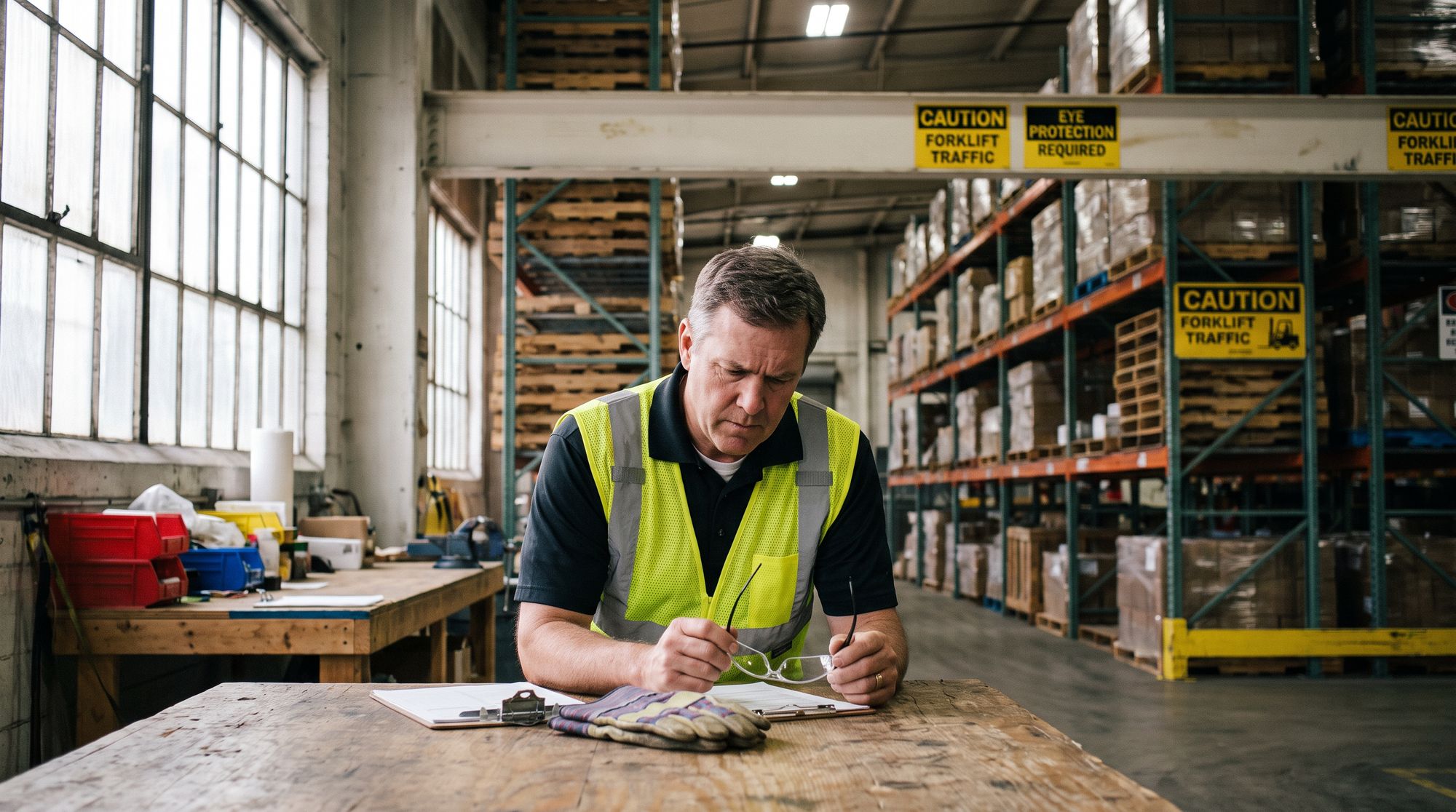
For years, health and safety in the UK’s warehousing and logistics sectors have been a game of “catch-up.” We’ve relied on lagging indicators, analysing a RIDDOR report after the injury has occurred or reviewing CCTV only once the racking has been buckled. However, as of January 2026, the industry is witnessing a seismic shift toward Predictive Safety Workflows.
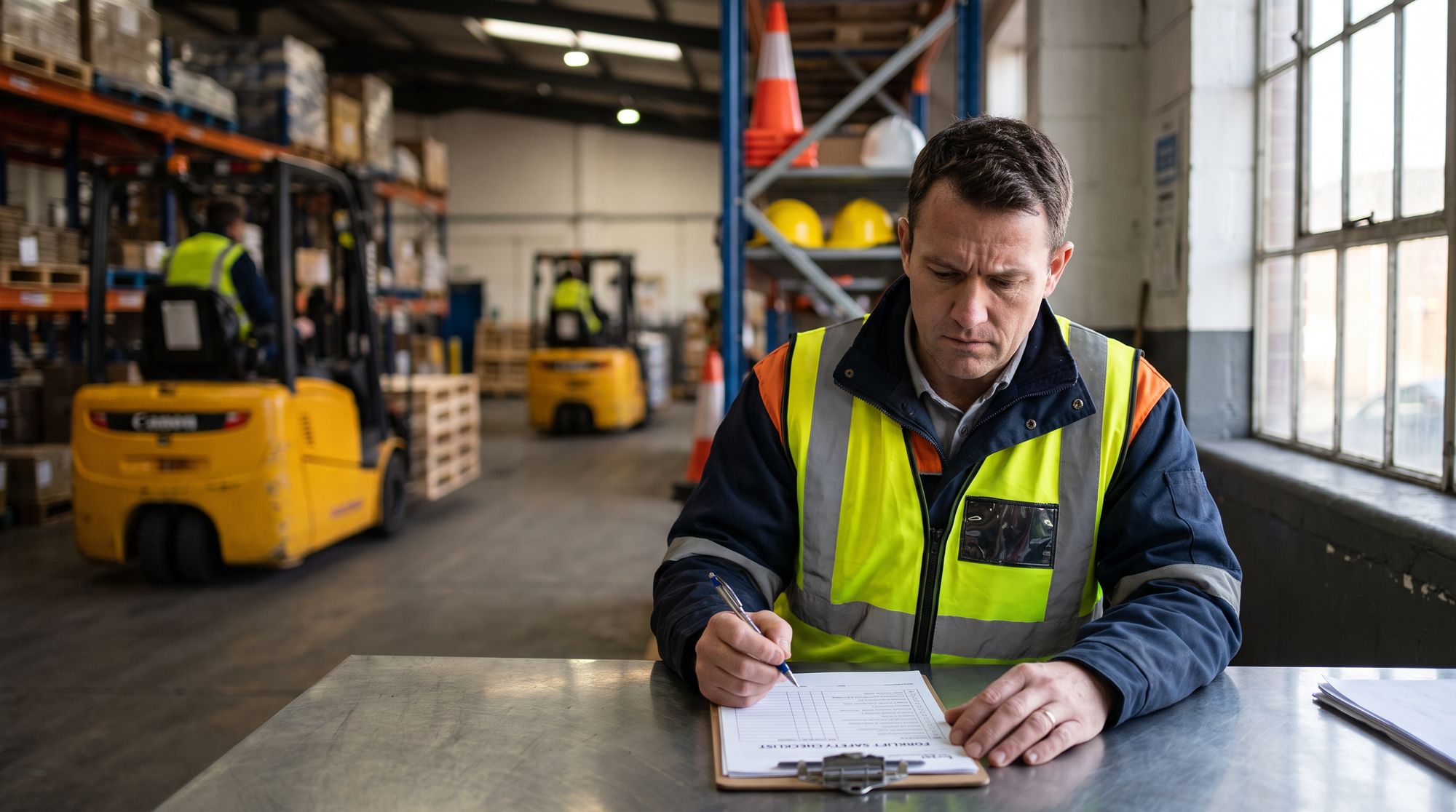
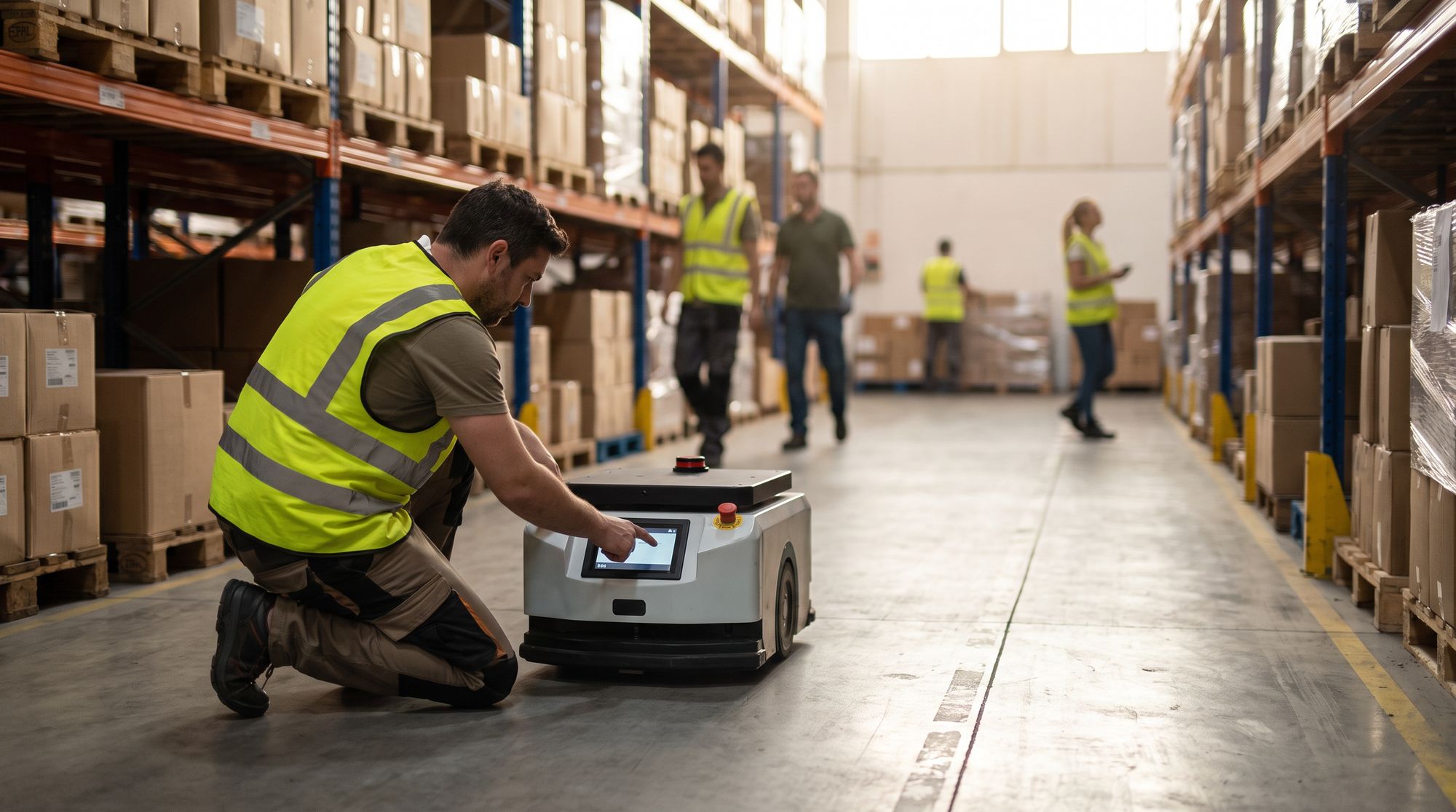
How does AI improve warehouse safety in 2026? It starts with the “Connected Worker.” By integrating AI with existing CCTV and wearable sensors, managers no longer need to be everywhere at once. Modern digital workflows now automatically flag “near-miss” heatmaps, identifying zones where forklifts and pedestrians frequently breach safe distances before a collision occurs.
Digital Workflows: Detection to Intervention
In a world-class manufacturing or logistics operation, the safety workflow is now a seamless, automated loop:
- Detection: AI computer vision identifies a recurring ergonomic risk, such as incorrect pallet stacking or a blocked fire exit.
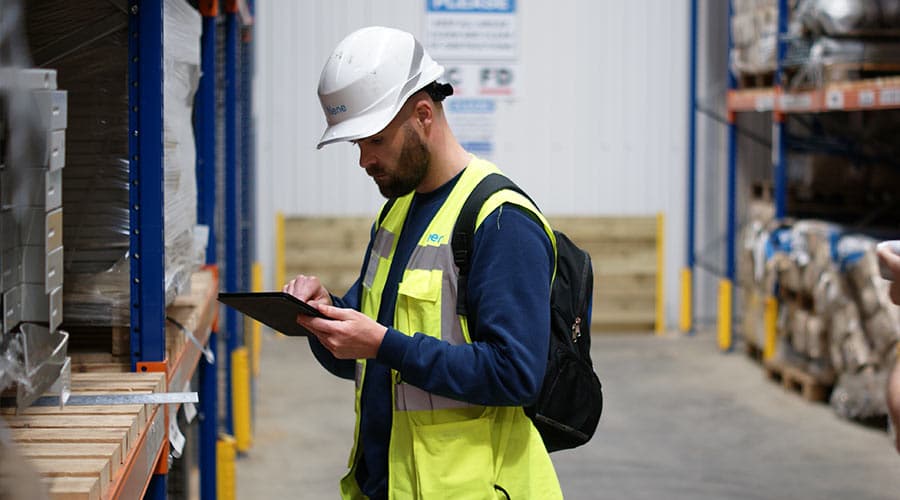
- Alert: An automated notification is sent to the H&S Manager’s tablet, categorised by risk severity (Low, Medium, High).
- Intervention: Instead of a generic toolbox talk, managers provide targeted, data-backed coaching to specific teams based on observed trends.
Why AI-Driven Safety Matters for UK Compliance
With the HSE’s 2026 focus on technological integration, standing still is no longer an option. Transitioning to AI-driven workflows doesn’t just protect your workforce; it builds a “Golden Thread” of digital evidence that proves a proactive duty of care. By identifying risks in their infancy, we aren’t just filing reports, we’re preventing the accidents that require them.
Related News
Beyond the Physical: Managing Psychosocial Risk in 2026 Manufacturing
Mental health is now a core priority for HSE inspections in the UK manufacturing sector. Under the Management of Health and Safety at Work Regulations 1999, employers must conduct formal Psychosocial Risk Assessments. Moving beyond "open door policies" to documented digital workflows ensures that stress, workload, and burnout are quantified and managed with the same rigour as physical hazards.
Scaling Safety: Best Practices for Managing Multi-Site Inspections & Audits
Without a structured system, multi-site safety quickly becomes inconsistent, reactive, and difficult to defend during audits. That’s why organisations with distributed operations are adopting multi-site inspection software to regain control, enforce standards, and maintain compliance from one central platform.
From Incidents to Insights: How Data Analytics Is Transforming Safety Audits in 2025
In 2025, leading organisations are using safety audit data analytics to move beyond reactive reporting turning everyday inspections into early-warning systems that prevent incidents before they happen.

Inspection App Integrations & APIs: Connecting Safety Audits to ERP, CMMS & Business Systems
Safety audits, inspections, maintenance, and reporting all need to work together yet in many organisations, inspection data still sits in silos, disconnected from the systems that drive decisions.
The Future of Logistics and Warehousing: Efficiency and Innovation
The logistics and warehousing sector have seen significant transformation in recent years, driven by technological advancements and evolving consumer expectations. As e-commerce continues to surge, businesses are under increasing pressure to optimize supply chains, reduce lead times, and provide seamless delivery experiences. This has led to a rapid shift in how warehouses and logistics networks operate.
Integrating AI and Robotics in Manufacturing: The Future of Efficient Production
The manufacturing industry is rapidly evolving, with the integration of Artificial Intelligence (AI) and robotics at the forefront of this transformation. As businesses look for ways to improve efficiency, reduce costs, and increase product quality, AI and robotics offer groundbreaking solutions that are revolutionizing the way products are made.
Increased Adoption of Green Logistics: A Sustainable Future for the UK Logistics Industry
The logistics industry in the UK is undergoing a significant transformation, with sustainability becoming a central focus. One of the key trends driving this shift is the increased adoption of green logistics. As environmental concerns continue to grow, logistics companies are increasingly prioritizing eco-friendly solutions to reduce their carbon footprints and meet stricter environmental regulations.