

News
RIDDOR Reporting in UK Warehouses: A Complete Guide for H&S Managers
What is RIDDOR and why does it matter for UK warehouses? RIDDOR is the Reporting of Injuries, Diseases and Dangerous Occurrences Regulations 2013, the law
What is RIDDOR and why does it matter for UK warehouses? RIDDOR is the Reporting of Injuries, Diseases and Dangerous Occurrences Regulations 2013, the law

Table of Contents What are the Management of Health and Safety at Work Regulations 1999? The Core Mandate: Why MHSWR 1999 Matters for Workplace Safety

Introduction: Why warehouse H&S compliance is more complex than it looks Warehouse health and safety compliance in the UK is not a single regulation. It

The high cost of forklift inspection failures in UK warehousing Forklift accidents are not a marginal risk. They are among the most consistent causes of

If you are managing warehouse safety with clipboards, paper checklists, and shared filing cabinets, time is leaking from your operation in ways that are easy
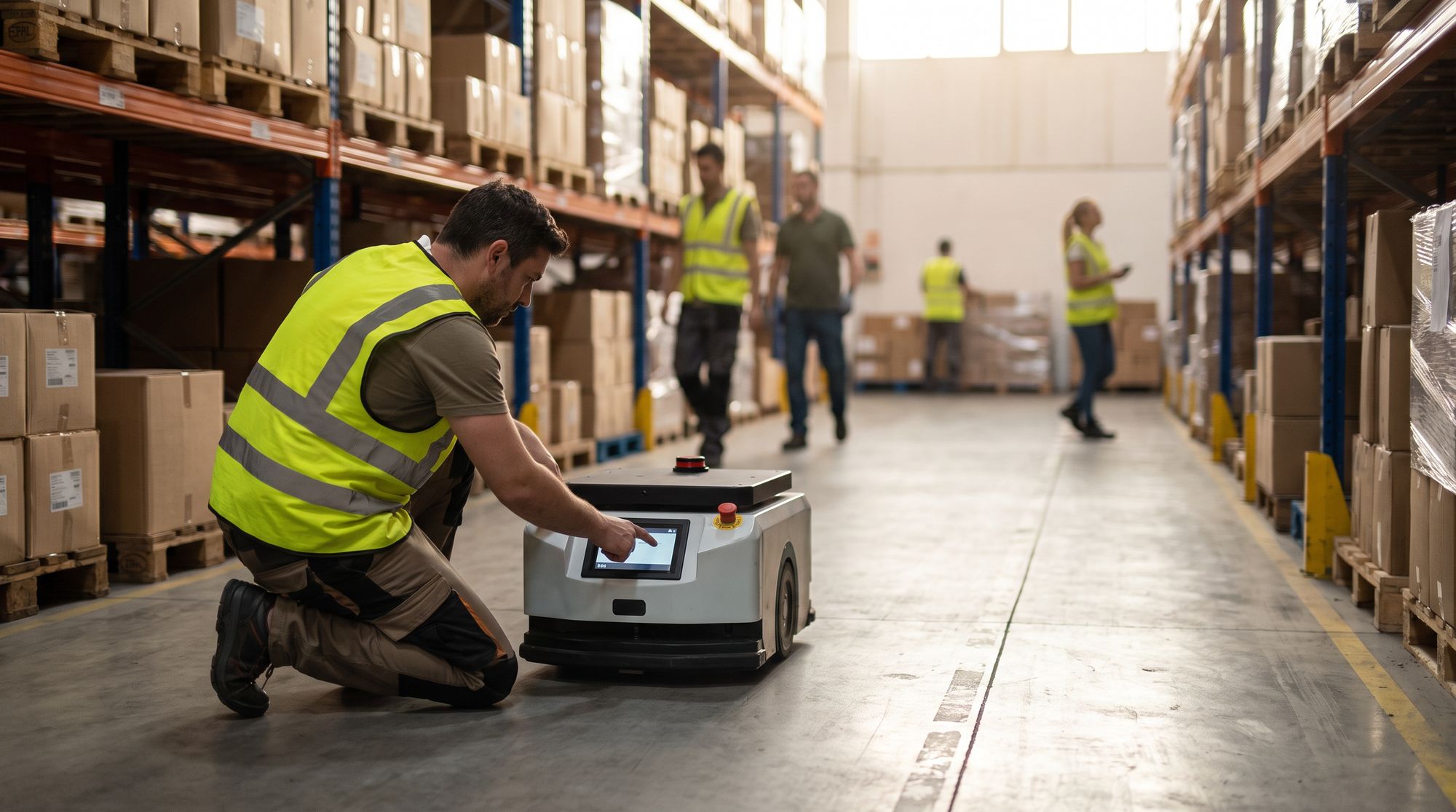
The rise of autonomous vehicles in UK warehouses The rise of autonomous vehicles in UK warehouses Autonomous mobile robots (AMRs), which navigate dynamically, and automated