Supply chain disruptions will require workarounds and effective internal communication

In the world of business, the last thing any owner, CEO or stakeholder wants to hear is “disruption”.

Effective supply chains that run like a well-oiled machine are integral to any business’s success. Consumers today have gotten accustomed to products always being available and accessible. When there’s a disruption in this availability and accessibility, the relationship between consumers and businesses gets disrupted too.

In a report published by the Institute of Supply Management, nearly 75% of businesses said their supply chain was severely disrupted due to COVID. If you’ve also been hit with a supply chain disruption, then effective workarounds and internal communication especially, are two of the keys to getting back on track.

Getting back on track from supply chain disruptions 

Internal communication

Crisis communications is one of the keys to managing affairs in the middle of a supply chain disruption and this means being prepared to communicate the ‘current scenario’ to all employees, customers, stakeholders, suppliers, media, analysts, and the general community at large.

When you do this, everyone, and especially your customers, will appreciate the fact that you honestly reported supply chain issues, which means you will be able to maintain the same level of trust you’ve worked so hard to build.

An important thing to remember when communicating this to all stakeholders is to speak with one voice. Designate a single person who will share the most accurate and up-to-date information about the supply chain crises and what your company is doing to mitigate it. It’s very important to not blame anything or anyone (such as coronavirus or a specific supplier), sugar-coat things or try to spin it in some way or the other. Be very honest and tell your audience exactly what you’re going to do about it, and how long it may be before things return to normal.

Always be transparent with your customers as it is essential to getting through these tough times. When you’re upfront about the supply chain issues you are facing, your customer base is far more likely to cut you some slack and stick with you through thick and thin.

Come up with workarounds – fast

Companies must plan ahead in regard to how they might manage customer demand during a supply chain disruption. Here are some ideas:

  • Product triage (allocation) – Let’s say multiple products utilise the same component, which products should get the component? In this case, you would want to consider financial contributions, company needs, customer importance, fairness, or which customers/stakeholders could go out of business. Always plan this ahead of time, and not in the middle of a supply chain crisis.
  • Demand shipping – If some of your products are in short supply and there is reasonably sufficient stock of other similar products, you might raise the price of the less in-demand products and lower the price of others, to shift customer demand a little, helping you cope with the crisis.
  • Diversify suppliers – When you have backup suppliers in multiple locations, it can mitigate some of the problems that come with geographical disruptions.

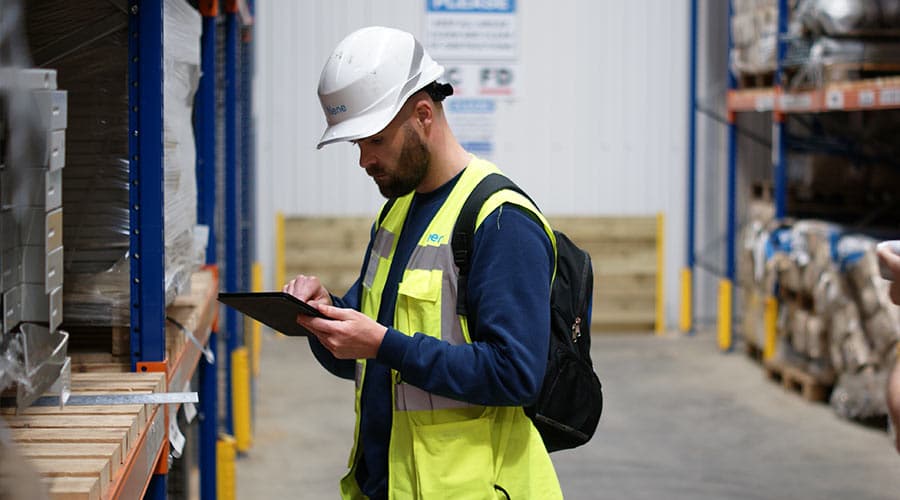
The future of warehouse health and safety checklist inspections is Warehouse Auditor App – a bespoke piece of software designed by specialists working in the Manufacturing and Logistics sectors, helping warehouse professionals, record data in an easier, more efficient, and cost-effective way.

Related News

The "Connected Worker": Navigating Safety in Mixed-Fleet Environments

The “Connected Worker”: Navigating Safety in Mixed-Fleet Environments

As AMRs (Autonomous Mobile Robots) become standard in UK warehouses, managing Human-Machine Collaboration (HMC) is the new safety frontier. Success requires a "Connected Worker" strategy involving dynamic geofencing and unified traffic dashboards. In 2026, HSE inspectors look for integrated digital systems that protect workers in shared spaces without compromising the efficiency of robotic automation.

Beyond the Physical: Managing Psychosocial Risk in 2026 Manufacturing

Beyond the Physical: Managing Psychosocial Risk in 2026 Manufacturing

Mental health is now a core priority for HSE inspections in the UK manufacturing sector. Under the Management of Health and Safety at Work Regulations 1999, employers must conduct formal Psychosocial Risk Assessments. Moving beyond "open door policies" to documented digital workflows ensures that stress, workload, and burnout are quantified and managed with the same rigour as physical hazards.

From Incidents to Insights: How AI is Transforming Warehouse Safety in 2026

From Incidents to Insights: How AI is Transforming Warehouse Safety in 2026

In 2026, UK warehouse safety is shifting from reactive reporting to Predictive Safety Workflows. By integrating AI with computer vision and wearable sensors, H&S Managers can identify "near-miss" patterns before collisions occur. This data-driven approach reduces RIDDOR-reportable incidents by up to 30%, providing the "Golden Thread" of evidence required for modern HSE duty of care compliance

health and safety inspection app

The Future of Logistics and Warehousing: Efficiency and Innovation

The logistics and warehousing sector have seen significant transformation in recent years, driven by technological advancements and evolving consumer expectations. As e-commerce continues to surge, businesses are under increasing pressure to optimize supply chains, reduce lead times, and provide seamless delivery experiences. This has led to a rapid shift in how warehouses and logistics networks operate.

The logistics and warehousing sector have seen significant transformation in recent years, driven by technological advancements and evolving consumer expectations.

Integrating AI and Robotics in Manufacturing: The Future of Efficient Production

The manufacturing industry is rapidly evolving, with the integration of Artificial Intelligence (AI) and robotics at the forefront of this transformation. As businesses look for ways to improve efficiency, reduce costs, and increase product quality, AI and robotics offer groundbreaking solutions that are revolutionizing the way products are made.

health and safety inspection app

Increased Adoption of Green Logistics: A Sustainable Future for the UK Logistics Industry

The logistics industry in the UK is undergoing a significant transformation, with sustainability becoming a central focus. One of the key trends driving this shift is the increased adoption of green logistics. As environmental concerns continue to grow, logistics companies are increasingly prioritizing eco-friendly solutions to reduce their carbon footprints and meet stricter environmental regulations.

health and safety inspection app

Why the Operations Management role will continue to be in high demand

Operations management in Manufacturing and Warehousing is at the forefront of change, utilising modern technologies as well as disciples to not only address the latest string of operational challenges, but also keep organisations running like a well-oiled machine, all the while maximising both productivity and profitability.

Top

Simply fill in the form to get started.

We will email you the links to download the app from the Google, Windows, or App stores