





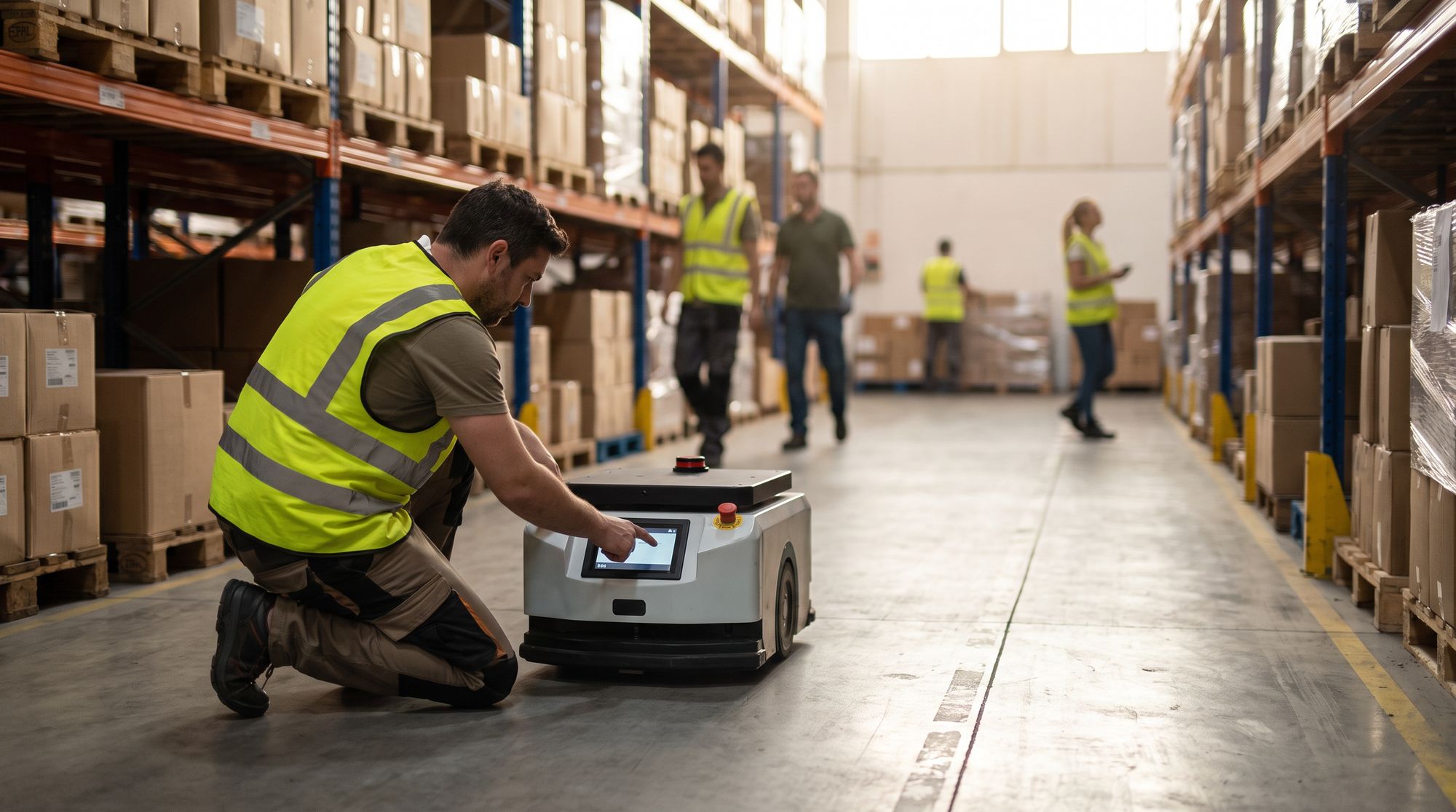

Standardisation in data collection – How far has it come?
What is standardisation in data collection?
In the manufacturing and logistics sector, businesses must deal with a huge amount of data on any given day. With standardisation in place, the enormous volume can be converted into a standard format. But why is this important? The underlying goal is to allow the data to be easier to interpret. Translating this into a common model so that both people and systems can consume that data for analysis and appropriate actions. This is very important as it allows end users to utilise important insights, the data can reveal. Alternatively, trying to deal with or process a variety of sources without a standardised process in place would not only be incredibly difficult and cumbersome but also very resource-intensive and time-consuming. Having access to standardised data also means everyone from top to bottom works along the same lines, with consistent real-time data acting as a single ‘source of truth’. Standardisation can dramatically improve health and safety inspections on warehouse floors. With a means to effortlessly inspect, report, and resolve issues, line managers can boost productivity and performance, while also improving communication through a single platform everybody has access to.Other advantages of data collection standardisation in supply chain operations
Standardisation of data collection and, in turn, standardisation of processes, has now become a must-have for forward-thinking manufacturing and logistics businesses, rather than a ‘nice to have’. Companies using the HS Manager inspection app, have access to real-time data which details the corrective action to be taken, along with time-stamped photos and assigned actions to relevant teams – to quickly identify areas of improvement. It’s a must-have for supply chain businesses as it lets you standardise procedures across your entire facility, the app includes 60 customisable checklists to meet your reporting requirements. Try it now absolutely FREE for 30 days. https://www.thehsmanager.co.uk/free-trial/ For more information visit; www.thehsmanager.co.uk at enquiries@thehsmanager.co.uk or call 03450 17 99 44Related News
Beyond the Physical: Managing Psychosocial Risk in 2026 Manufacturing
Mental health is now a core priority for HSE inspections in the UK manufacturing sector. Under the Management of Health and Safety at Work Regulations 1999, employers must conduct formal Psychosocial Risk Assessments. Moving beyond "open door policies" to documented digital workflows ensures that stress, workload, and burnout are quantified and managed with the same rigour as physical hazards.
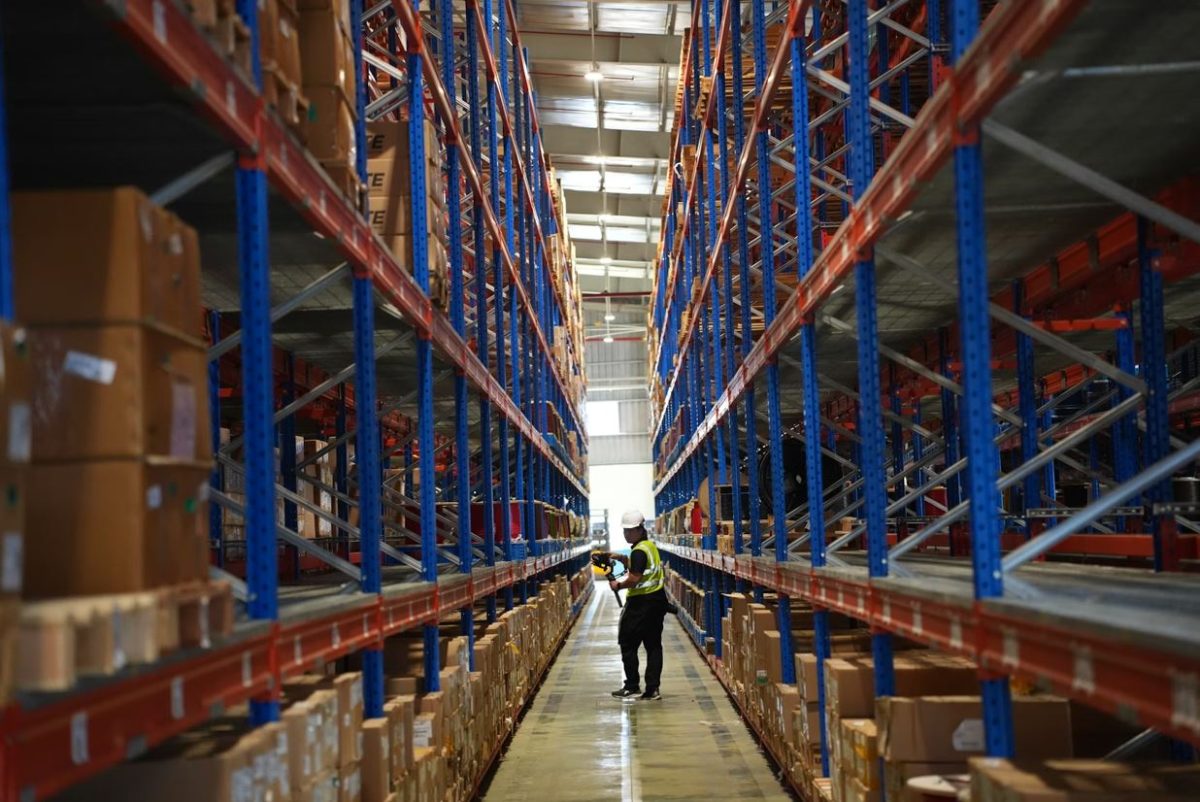
From Incidents to Insights: How AI is Transforming Warehouse Safety in 2026
In 2026, UK warehouse safety is shifting from reactive reporting to Predictive Safety Workflows. By integrating AI with computer vision and wearable sensors, H&S Managers can identify "near-miss" patterns before collisions occur. This data-driven approach reduces RIDDOR-reportable incidents by up to 30%, providing the "Golden Thread" of evidence required for modern HSE duty of care compliance
Scaling Safety: Best Practices for Managing Multi-Site Inspections & Audits
Without a structured system, multi-site safety quickly becomes inconsistent, reactive, and difficult to defend during audits. That’s why organisations with distributed operations are adopting multi-site inspection software to regain control, enforce standards, and maintain compliance from one central platform.
From Incidents to Insights: How Data Analytics Is Transforming Safety Audits in 2025
In 2025, leading organisations are using safety audit data analytics to move beyond reactive reporting turning everyday inspections into early-warning systems that prevent incidents before they happen.
Inspection App Integrations & APIs: Connecting Safety Audits to ERP, CMMS & Business Systems
Safety audits, inspections, maintenance, and reporting all need to work together yet in many organisations, inspection data still sits in silos, disconnected from the systems that drive decisions.