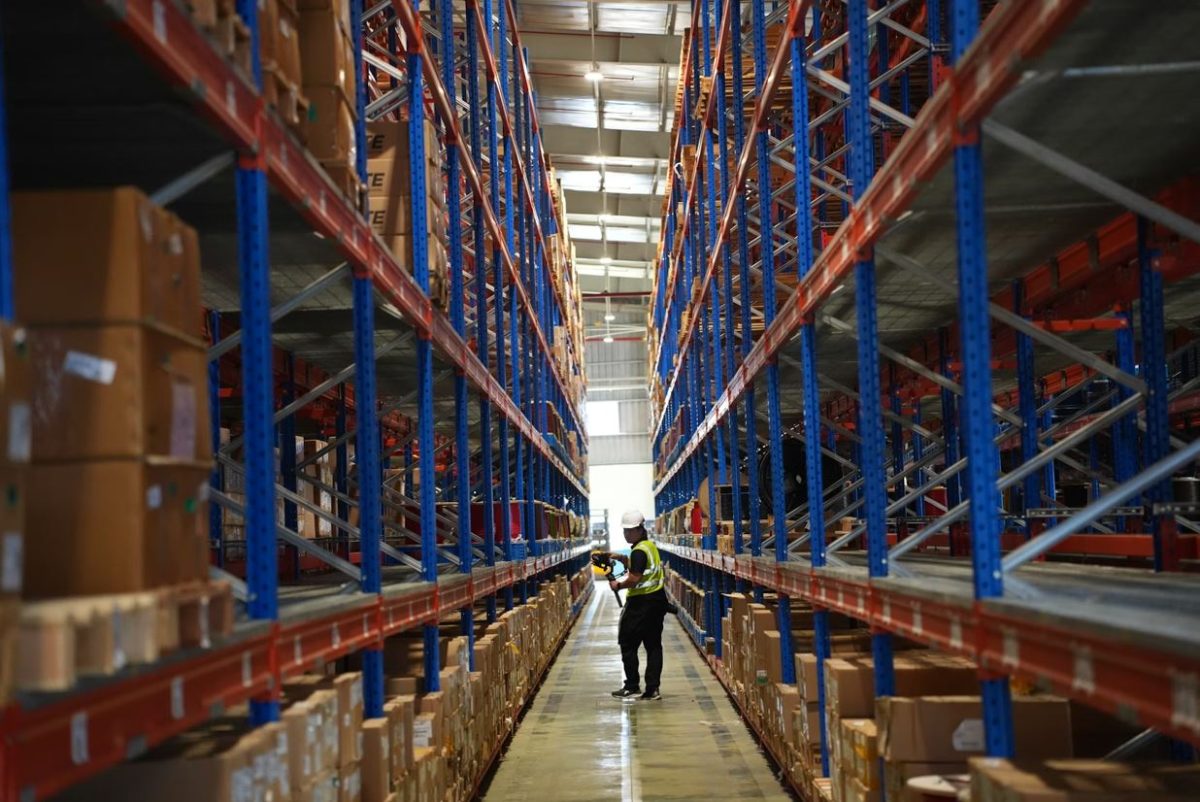
Organisations working in high-risk industries like manufacturing, warehousing, supply chain, and logistics, are well aware of the risks and potential hazards their workers face each day.
Unfortunately, despite their best efforts, many businesses do not have the appropriate health and safety controls to minimise risk and hazards at the workplace.
With that said, improving your health and safety practices in manufacturing & logistics involves a proactive approach, and using the right systems to improve the health, safety, and wellbeing of your workers.
Streamline auditing and inspection processes
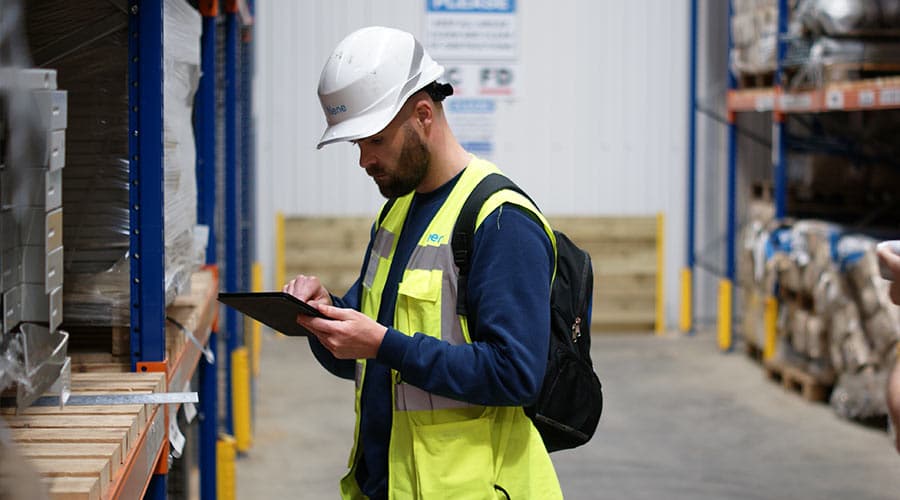
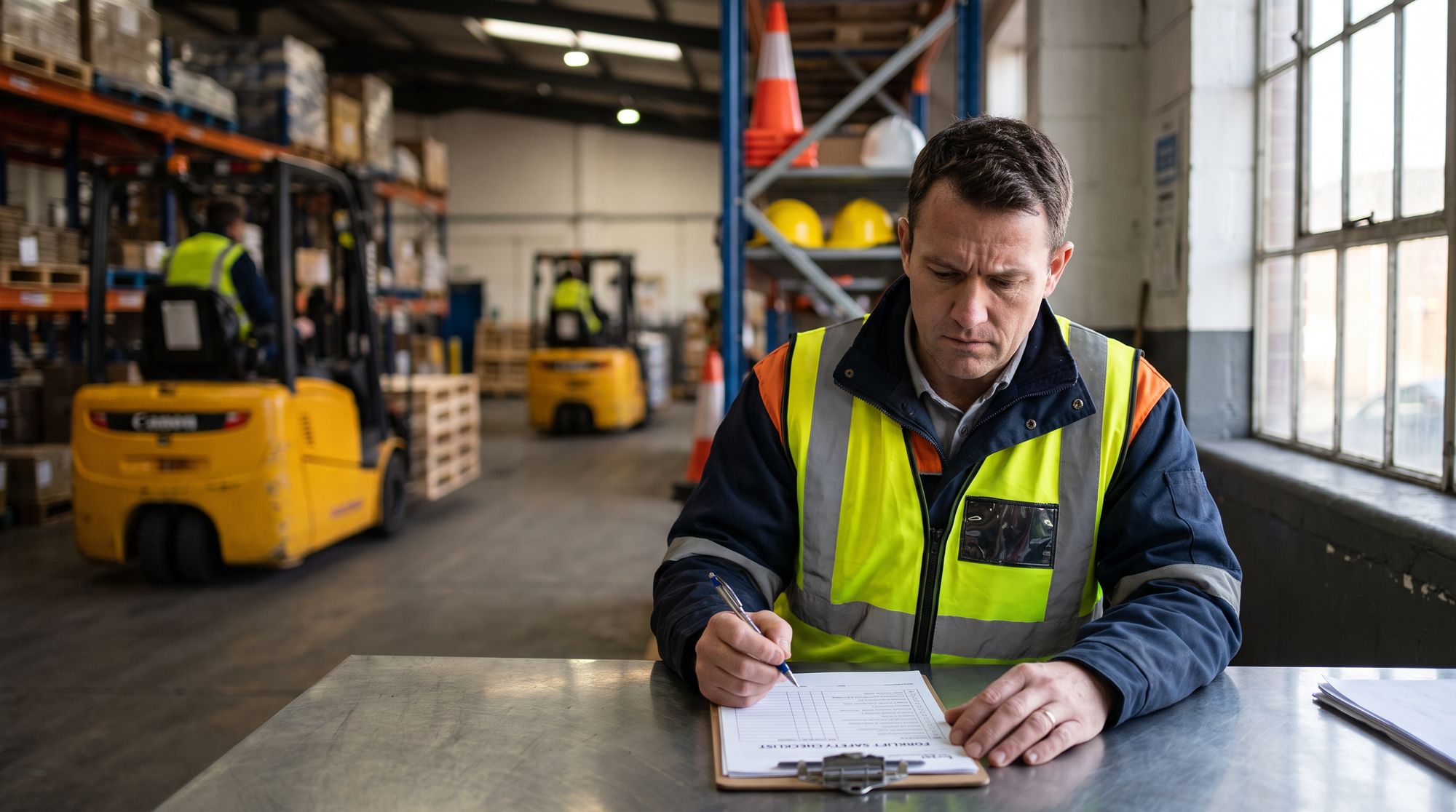
Audits and inspections are, naturally, a staple of continuous health and safety improvement. It’s essential, therefore, to be able to quickly access reports that allow you to identify potential risks, hazards, and vulnerabilities before they manifest. These reports can also enable well-informed decision-making, ensuring that your workers are never facing any health and safety risks.
When you digitise auditing and inspections through a software, platform or system, you can accelerate the data collection process, enabling swift action which may mean the difference between improved productivity and morale or sinking motivation levels and potential health/safety hazards.
Define your health and safety goals
In order to continuously improve your health and safety standards, you must foster a culture of quality and safety – defining what “health” and “safety” means to you as a business.
This means establishing clear, measurable, and achievable goals, and then making sure everyone is aligned with them.
Engage everyone through a real-time feedback loop
Communication is downright critical to improving health and safety standards in warehousing, manufacturing, and logistics. When different levels of the organisation are collaborating and communicating on a single platform, intuitive analysis can be shared with everyone in real-time and insights can be acquired to make highly informed decisions.
The system should also allow frontline employees to quickly report issues, with managers being able to access that information just as quickly, in order to execute their workflows with the utmost speed and efficiency.
Implement quality and safety systems, fast
One of the best steps you can take as a manufacturing and warehousing manager, is to implement strict quality and safety systems which support your goals, and enable the entire team to perform their respective tasks more efficiently.
These quality and safety systems should include everything from processes, procedures, and policies to the controls, techniques, and tools needed to plan, monitor, measure, and continuously improve your health and safety standards.
Get everyone involved – collaborate more
Establishing and maintaining good relationships with your suppliers, partners, customers, regulators, and stakeholders is crucial to maintaining good H&S standards while integrating their input and suggestions into your health and safety goals is just as important.
In doing so, you can improve operational efficiency, enhance customer satisfaction, reduce health and safety risks, and cut costs.
HS Manager is your digital health and safety companion, helping you get all the above done and much more.
Try it now absolutely FREE for 30 days.
https://www.thehsmanager.co.uk/free-trial/
For more information visit;
www.thehsmanager.co.uk
Email
enquiries@thehsmanager.co.uk Or call 03450 17 99 44