



Supply Chain Sustainability in Warehousing and Manufacturing

Supply Chain Sustainability: Overview.

Supply chain sustainability refers to effectively managing the social, economic, and environmental factors within an organisation’s supply chain. A very important aspect of this sustainability initiative is recognising and acknowledging the link between a manufacturing company and the broader ecosystem they may be impacting – and then coming up with responsible business practices to make all aspects of the supply chain sustainable. Many companies, both across the UK and globally, are now focusing on creating a more sustainable supply chain, especially as there is now greater regulatory and compliance pressure.

More manufacturing & warehousing facilities are needed to overcome disruptions.

Companies all over the UK are in dire need of flexible and timely solutions to meet challenges and complexities around logistics, particularly in the context of manufacturing and warehousing. It’s crucial that these solutions not only address specific supply chain challenges within logistics and warehousing, but also integrate sustainability at each stage. It’s fair to say that supply chains in the UK have been somewhat one-dimensional and rigid in the past; long-term shipment routes are often defined in advance with practically no degree of flexibility offered in transit. There have been positive steps, however, such as the East Midlands Gateway, which allows supply chain and logistics companies to prevent bottlenecks which may slow down shipments. The East Midlands Gateway also serves as a UK Freeport zone so if any goods are to be re-exported overseas, businesses can do so without worrying about UK duties to pay – hence, no more ‘double duty’!

Supply chain sustainability is now more than just decarbonisation.

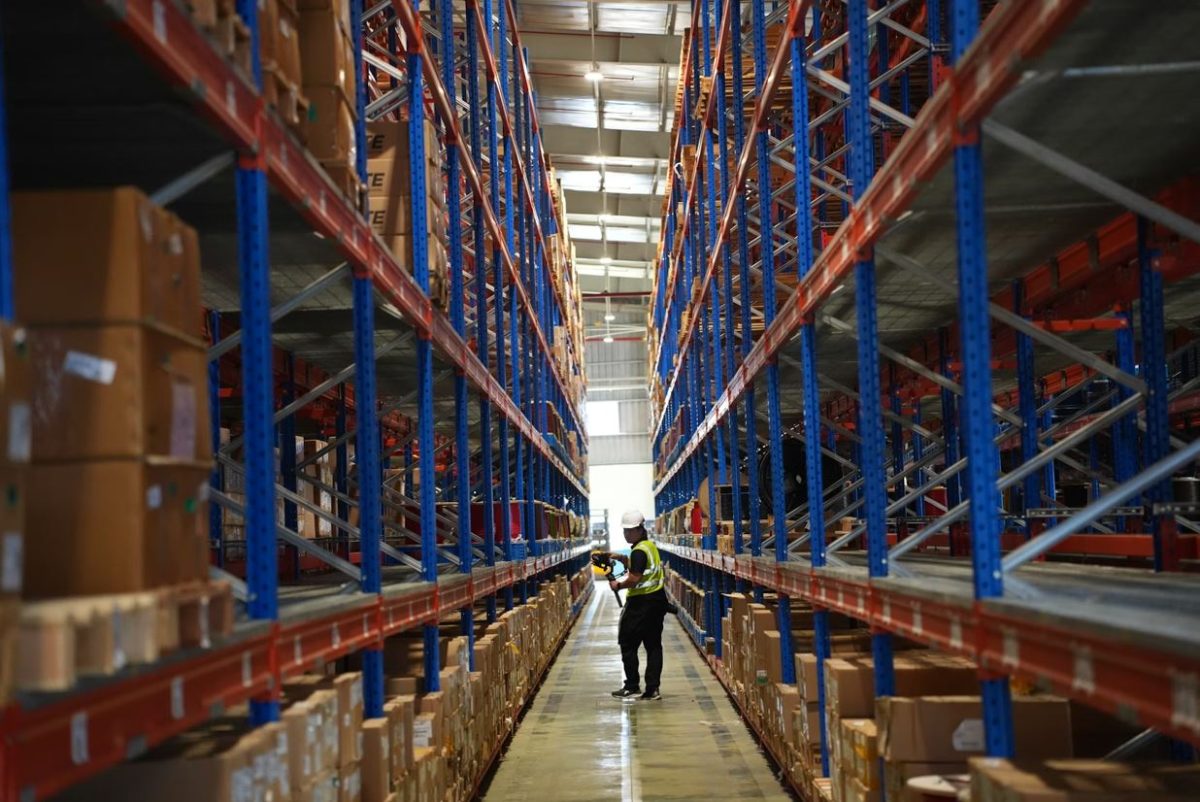
Maersk has taken bold steps to build new facilities which are specified as “net-zero”, ensuring operations are executed in the most sustainable manner possible. However, when we talk about sustainability in manufacturing and warehousing, it goes well beyond just decarbonisation. For starters, energy usage within a warehousing facility needs to be electric mostly. And, secondly, energy should be sourced from renewable sources as much as possible, whether on-site or external. Additionally, the use of a software-powered health and safety platform is already helping manufacturing, supply chain, and warehousing businesses to streamline operations, whether they have to do with inspection, maintenance, and health & safety protocols, or following more sustainable practices. For instance, customisable checklists allow H&S managers to carry out their daily responsibilities with ease, eliminating unnecessary paperwork and improving communication greatly as a result.

How to make warehouse and manufacturing operations more sustainable?

Warehousing is now playing an even more critical role in ensuring that supply chain operations remain sustainable. To make operations more sustainable, companies must find ways to reduce lead times, optimise inventory levels and minimise stockouts. All of these will not only make their supply chain more sustainable but also result in far better customer satisfaction levels and cost savings. The savings in resources alone will pave the way for better market expansion and growth. Every modern supply chain business is embracing the power of HS Manager, the perfect way to streamline inspection and H&S safety inspections within a manufacturing and warehousing environment – thus, improving supply chain sustainability. For more information https://www.thehsmanager.co.uk/  / https://www.thehsmanager.co.uk/free-trial/ Email: info@thehsmanager.co.uk call: 03450 17 99 44

Related News

The "Connected Worker": Navigating Safety in Mixed-Fleet Environments

The “Connected Worker”: Navigating Safety in Mixed-Fleet Environments

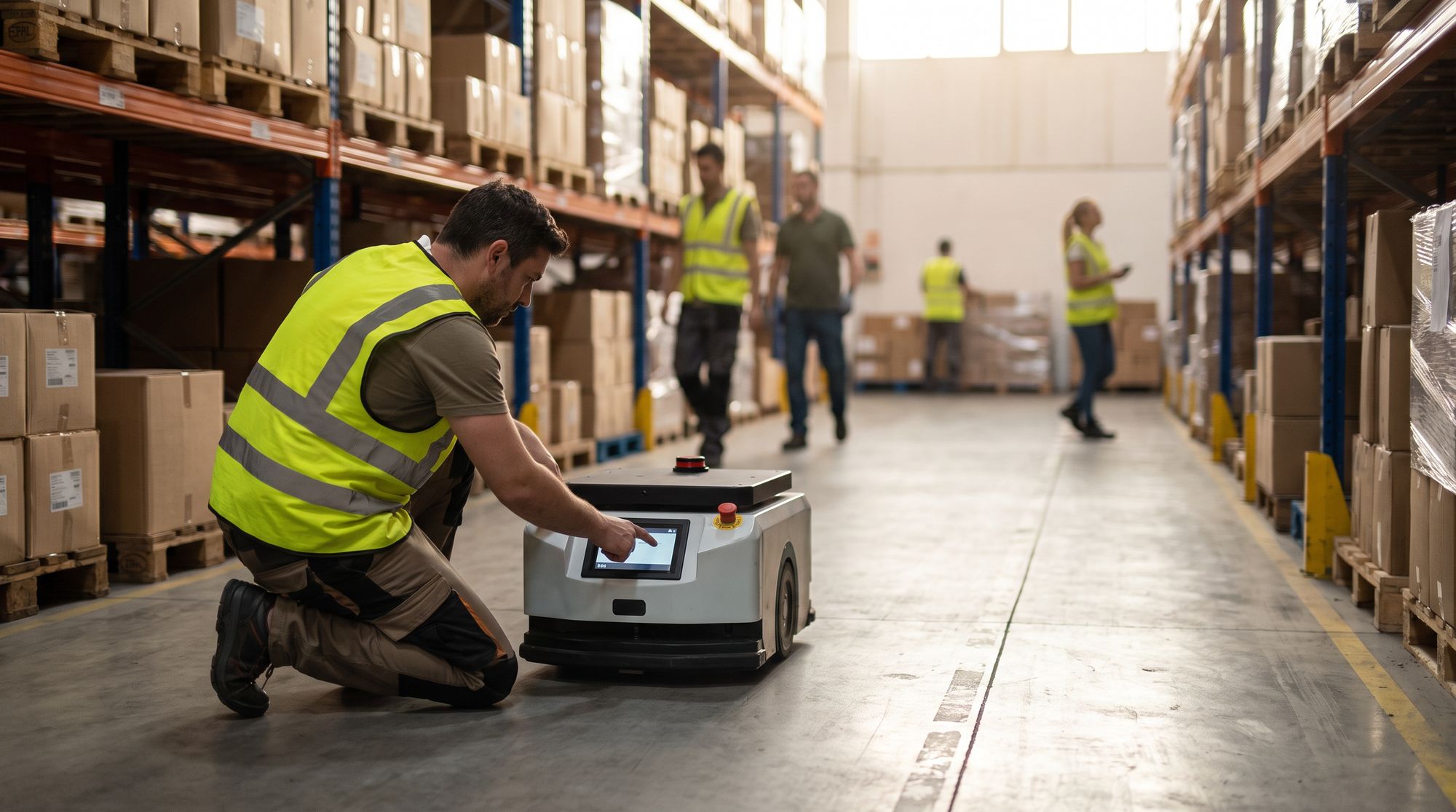
As AMRs (Autonomous Mobile Robots) become standard in UK warehouses, managing Human-Machine Collaboration (HMC) is the new safety frontier. Success requires a "Connected Worker" strategy involving dynamic geofencing and unified traffic dashboards. In 2026, HSE inspectors look for integrated digital systems that protect workers in shared spaces without compromising the efficiency of robotic automation.

Beyond the Physical: Managing Psychosocial Risk in 2026 Manufacturing

Beyond the Physical: Managing Psychosocial Risk in 2026 Manufacturing

Mental health is now a core priority for HSE inspections in the UK manufacturing sector. Under the Management of Health and Safety at Work Regulations 1999, employers must conduct formal Psychosocial Risk Assessments. Moving beyond "open door policies" to documented digital workflows ensures that stress, workload, and burnout are quantified and managed with the same rigour as physical hazards.
From Incidents to Insights: How AI is Transforming Warehouse Safety in 2026

From Incidents to Insights: How AI is Transforming Warehouse Safety in 2026

In 2026, UK warehouse safety is shifting from reactive reporting to Predictive Safety Workflows. By integrating AI with computer vision and wearable sensors, H&S Managers can identify "near-miss" patterns before collisions occur. This data-driven approach reduces RIDDOR-reportable incidents by up to 30%, providing the "Golden Thread" of evidence required for modern HSE duty of care compliance
health and safety inspection app

The Future of Logistics and Warehousing: Efficiency and Innovation

The logistics and warehousing sector have seen significant transformation in recent years, driven by technological advancements and evolving consumer expectations. As e-commerce continues to surge, businesses are under increasing pressure to optimize supply chains, reduce lead times, and provide seamless delivery experiences. This has led to a rapid shift in how warehouses and logistics networks operate.

The logistics and warehousing sector have seen significant transformation in recent years, driven by technological advancements and evolving consumer expectations.

Integrating AI and Robotics in Manufacturing: The Future of Efficient Production

The manufacturing industry is rapidly evolving, with the integration of Artificial Intelligence (AI) and robotics at the forefront of this transformation. As businesses look for ways to improve efficiency, reduce costs, and increase product quality, AI and robotics offer groundbreaking solutions that are revolutionizing the way products are made.

health and safety inspection app

Increased Adoption of Green Logistics: A Sustainable Future for the UK Logistics Industry

The logistics industry in the UK is undergoing a significant transformation, with sustainability becoming a central focus. One of the key trends driving this shift is the increased adoption of green logistics. As environmental concerns continue to grow, logistics companies are increasingly prioritizing eco-friendly solutions to reduce their carbon footprints and meet stricter environmental regulations.

health and safety inspection app

Why the Operations Management role will continue to be in high demand

Operations management in Manufacturing and Warehousing is at the forefront of change, utilising modern technologies as well as disciples to not only address the latest string of operational challenges, but also keep organisations running like a well-oiled machine, all the while maximising both productivity and profitability.

Top

Simply fill in the form to get started.

We will email you the links to download the app from the Google, Windows, or App stores