

Integrating AI and Robotics in Manufacturing: The Future of Efficient Production

The manufacturing industry is rapidly evolving, with the integration of Artificial Intelligence (AI) and robotics at the forefront of this transformation. As businesses look for ways to improve efficiency, reduce costs, and increase product quality, AI and robotics offer groundbreaking solutions that are revolutionizing the way products are made.

AI-powered systems in manufacturing help optimize production processes by analysing vast amounts of data and providing insights into areas like predictive maintenance, supply chain management, and quality control. For example, AI can predict when a machine is likely to fail, enabling companies to perform maintenance before costly breakdowns occur. This proactive approach minimizes downtime, which directly improves overall efficiency.

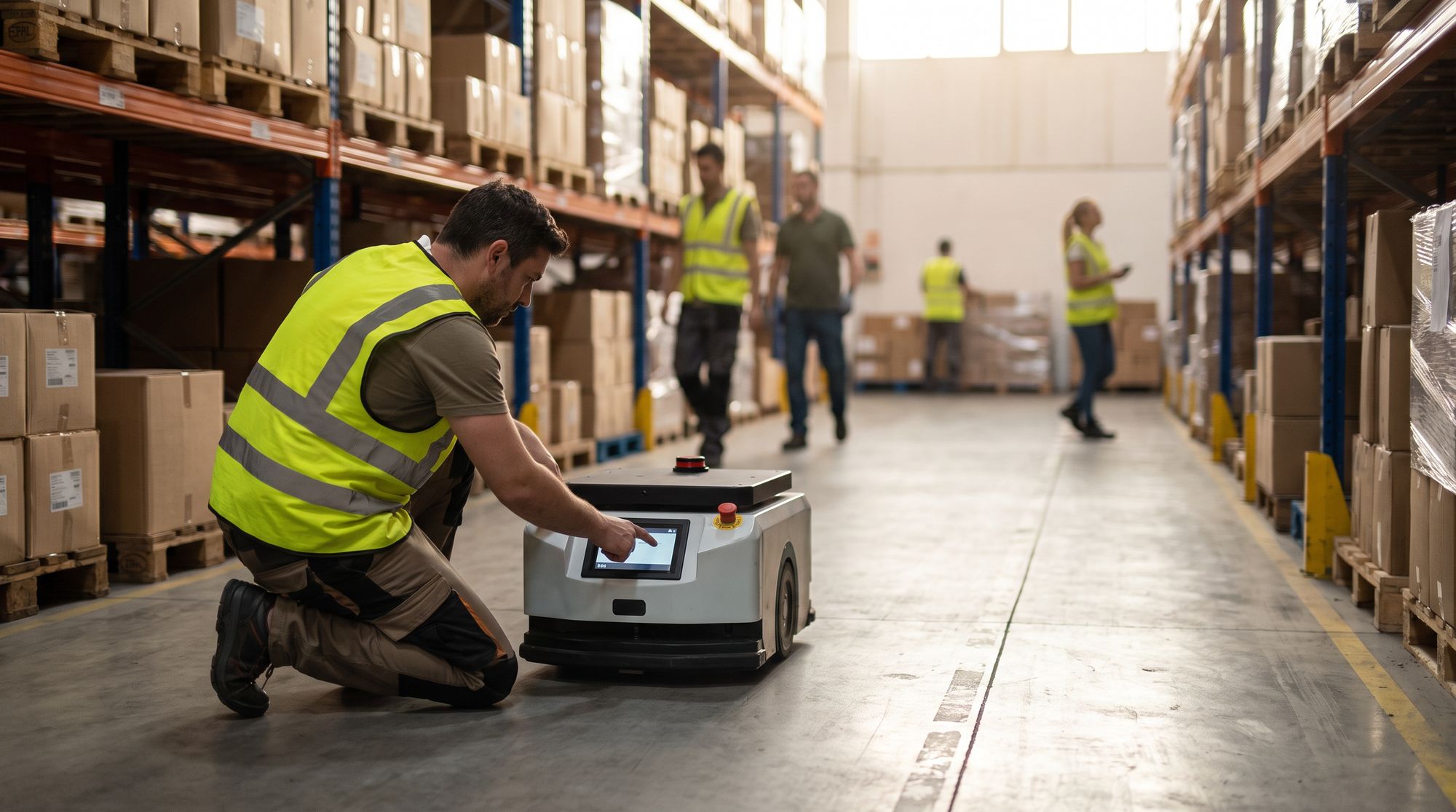
Robots, on the other hand, are transforming the manufacturing floor by taking over repetitive, high-precision tasks. These robots work tirelessly, 24/7, reducing human error and increasing production speed. Whether it’s assembling intricate components, welding, or packaging, robots are performing tasks that once required significant human labour, freeing up workers to focus on more complex, strategic functions. Additionally, collaborative robots, or co-bots, work alongside humans, enhancing safety and productivity by supporting workers in real-time.

The synergy between AI and robotics is creating highly adaptive, flexible production lines capable of adjusting to changing demands with minimal human intervention. This adaptability is particularly important in industries where customization and quick turnaround times are essential.

Incorporating AI and robotics also has environmental benefits. Automation leads to greater energy efficiency and reduced waste, as AI systems can optimize resource usage throughout the production process.

As the manufacturing industry continues to embrace these technologies, the integration of AI and robotics will drive significant advancements in productivity, safety, and sustainability. With these innovations, manufacturers are positioning themselves for long-term success in an increasingly competitive global market.

HS Manager is a revolutionary checklist-based inspection app which can help operations managers to identify risks early on in the manufacturing process and take corrective actions well before the damage can potentially affect operations. Try it now for FREE for 30 days.

https://www.thehsmanager.co.uk/free-trial/

Related News

health and safety inspection app

The Future of Logistics and Warehousing: Efficiency and Innovation

The logistics and warehousing sector have seen significant transformation in recent years, driven by technological advancements and evolving consumer expectations. As e-commerce continues to surge, businesses are under increasing pressure to optimize supply chains, reduce lead times, and provide seamless delivery experiences. This has led to a rapid shift in how warehouses and logistics networks operate.

health and safety inspection app

Increased Adoption of Green Logistics: A Sustainable Future for the UK Logistics Industry

The logistics industry in the UK is undergoing a significant transformation, with sustainability becoming a central focus. One of the key trends driving this shift is the increased adoption of green logistics. As environmental concerns continue to grow, logistics companies are increasingly prioritizing eco-friendly solutions to reduce their carbon footprints and meet stricter environmental regulations.

health and safety inspection app

Why the Operations Management role will continue to be in high demand

Operations management in Manufacturing and Warehousing is at the forefront of change, utilising modern technologies as well as disciples to not only address the latest string of operational challenges, but also keep organisations running like a well-oiled machine, all the while maximising both productivity and profitability.

health and safety inspection app

A technology trend of a disruptive nature in warehousing & logistics

The main goal of any businesses engaged in manufacturing, warehousing, and logistics is to improve the accuracy of order fulfilment, minimise operational costs, and optimise resource allocation. The advent of digitalisation and other disruptive technologies in warehouse management and logistics, which we’ll be discussing shortly, have paved the way for businesses in the sector to increase revenues and improve operational efficiencies across the board – among other things.

Going Paperless in manufacturing and logistics operations

Going Paperless in manufacturing and logistics operations

Paperless manufacturing is revolutionising the way factories now manage, coordinate, and report various activities through the use of digital tools. Digitalisation or digital disruption has proven to be an effective strategy for more streamlined work order management, for example, helping organisations maintain quality standards, all the while ensuring that they are on top of compliance matters.

Supply Chain Sustainability in Warehousing and Manufacturing

Supply Chain Sustainability in Warehousing and Manufacturing

Supply chain sustainability refers to effectively managing the social, economic, and environmental factors within an organisation’s supply chain. A very important aspect of this sustainability initiative is recognising and acknowledging the link between a manufacturing company and the broader ecosystem they may be impacting – and then coming up with responsible business practices to make all aspects of the supply chain sustainable.

Logistics Trends for 2024

Logistics Trends for 2024

As we eagerly look to a bright and productive year ahead, the UK’s logistics sector is at a bit of crossroads, so to speak, poised for disruption amid a backdrop of regulatory shifts, technological evolution, and global economic dynamics.

Top

Simply fill in the form to get started.

We will email you the links to download the app from the Google, Windows, or App stores