


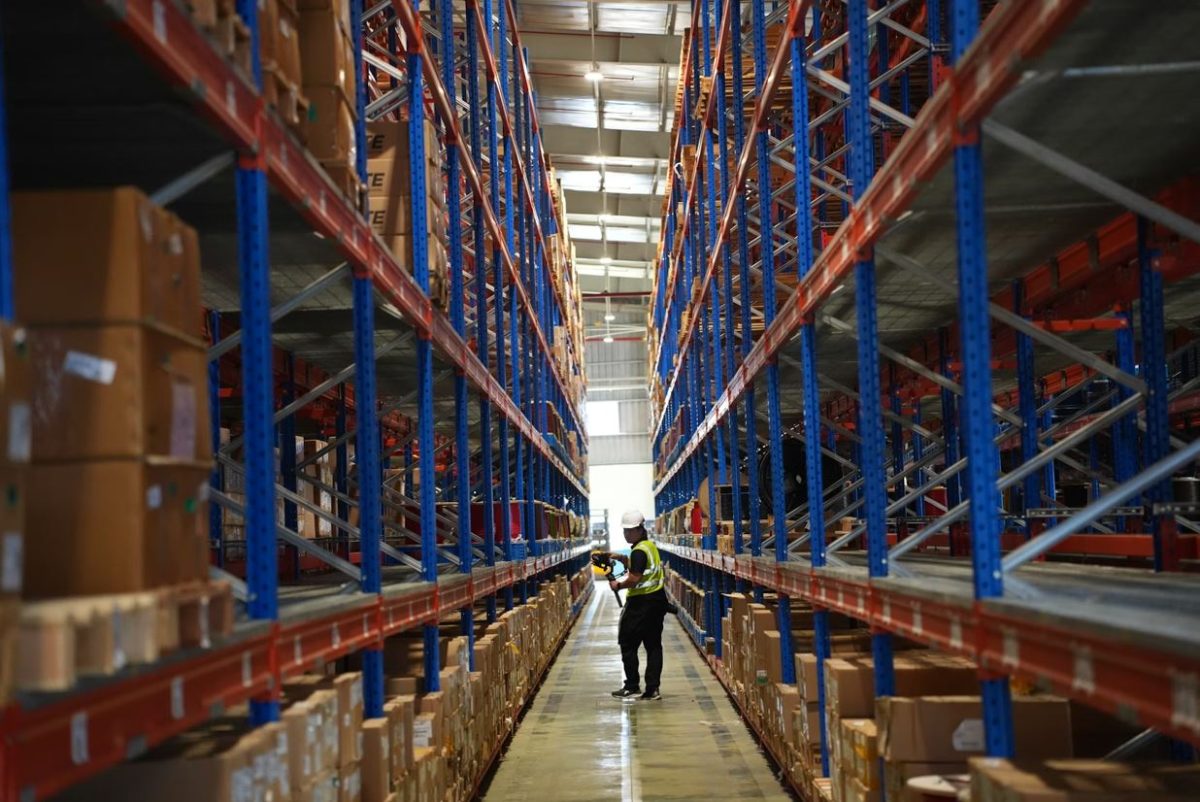
From Incidents to Insights: How AI is Transforming Warehouse Safety in 2026
In 2026, UK warehouse safety is shifting from reactive reporting to Predictive Safety Workflows. By integrating AI with computer vision and wearable sensors, H&S Managers can identify "near-miss" patterns before collisions occur. This data-driven approach reduces RIDDOR-reportable incidents by up to 30%, providing the "Golden Thread" of evidence required for modern HSE duty of care compliance
Scaling Safety: Best Practices for Managing Multi-Site Inspections & Audits
Without a structured system, multi-site safety quickly becomes inconsistent, reactive, and difficult to defend during audits. That’s why organisations with distributed operations are adopting multi-site inspection software to regain control, enforce standards, and maintain compliance from one central platform.

From Incidents to Insights: How Data Analytics Is Transforming Safety Audits in 2025
In 2025, leading organisations are using safety audit data analytics to move beyond reactive reporting turning everyday inspections into early-warning systems that prevent incidents before they happen.

Inspection App Integrations & APIs: Connecting Safety Audits to ERP, CMMS & Business Systems
Safety audits, inspections, maintenance, and reporting all need to work together yet in many organisations, inspection data still sits in silos, disconnected from the systems that drive decisions.