



The Future of Logistics and Warehousing: Efficiency and Innovation
The logistics and warehousing sector have seen significant transformation in recent years, driven by technological advancements and evolving consumer expectations. As e-commerce continues to surge, businesses are under increasing pressure to optimize supply chains, reduce lead times, and provide seamless delivery experiences. This has led to a rapid shift in how warehouses and logistics networks operate.
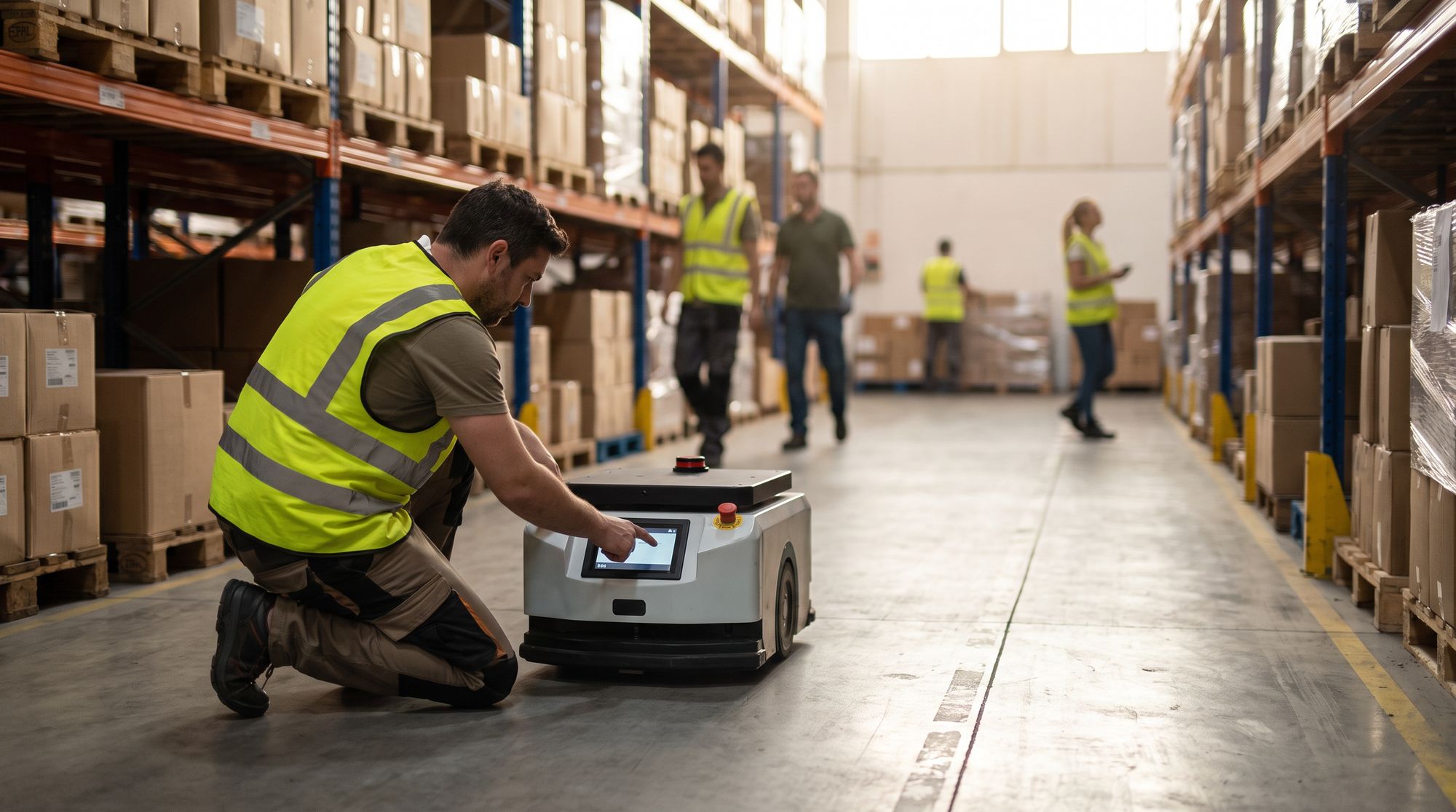
Automation is at the forefront of this revolution. Robotic systems, automated guided vehicles (AGVs), and conveyor systems are enhancing efficiency within warehouses, minimizing human error, and speeding up order fulfilment. With AI and machine learning, warehouses can predict demand more accurately, streamline inventory management, and optimize storage solutions, further reducing operational costs.
The integration of the Internet of Things (IoT) is another game-changer. IoT-enabled devices provide real-time tracking of inventory, equipment, and shipments, allowing businesses to gain deeper insights into their operations. This data can help identify inefficiencies, improve decision-making, and increase visibility throughout the entire supply chain.
Sustainability is also becoming a central focus in logistics and warehousing. As the world moves toward greener practices, the sector is adapting by implementing energy-efficient systems, reducing waste, and opting for sustainable packaging materials. Many warehouses are also investing in electric vehicles for last-mile deliveries, cutting down on carbon emissions.
As we look to the future, the logistics and warehousing sector will continue to evolve with the rise of e-commerce and the demands for faster, more cost-effective solutions. Embracing innovation, sustainability, and digitalization will be key to staying competitive in this rapidly changing landscape. Businesses that adapt to these changes will not only optimize their operations but also meet the expectations of a more demanding and environmentally conscious consumer base.
HS Manager is a revolutionary checklist-based inspection app which can help operations managers to identify risks early on in the manufacturing process and take corrective actions well before the damage can potentially affect operations. Try it now for FREE for 30 days.
Related News
Beyond the Physical: Managing Psychosocial Risk in 2026 Manufacturing
Mental health is now a core priority for HSE inspections in the UK manufacturing sector. Under the Management of Health and Safety at Work Regulations 1999, employers must conduct formal Psychosocial Risk Assessments. Moving beyond "open door policies" to documented digital workflows ensures that stress, workload, and burnout are quantified and managed with the same rigour as physical hazards.
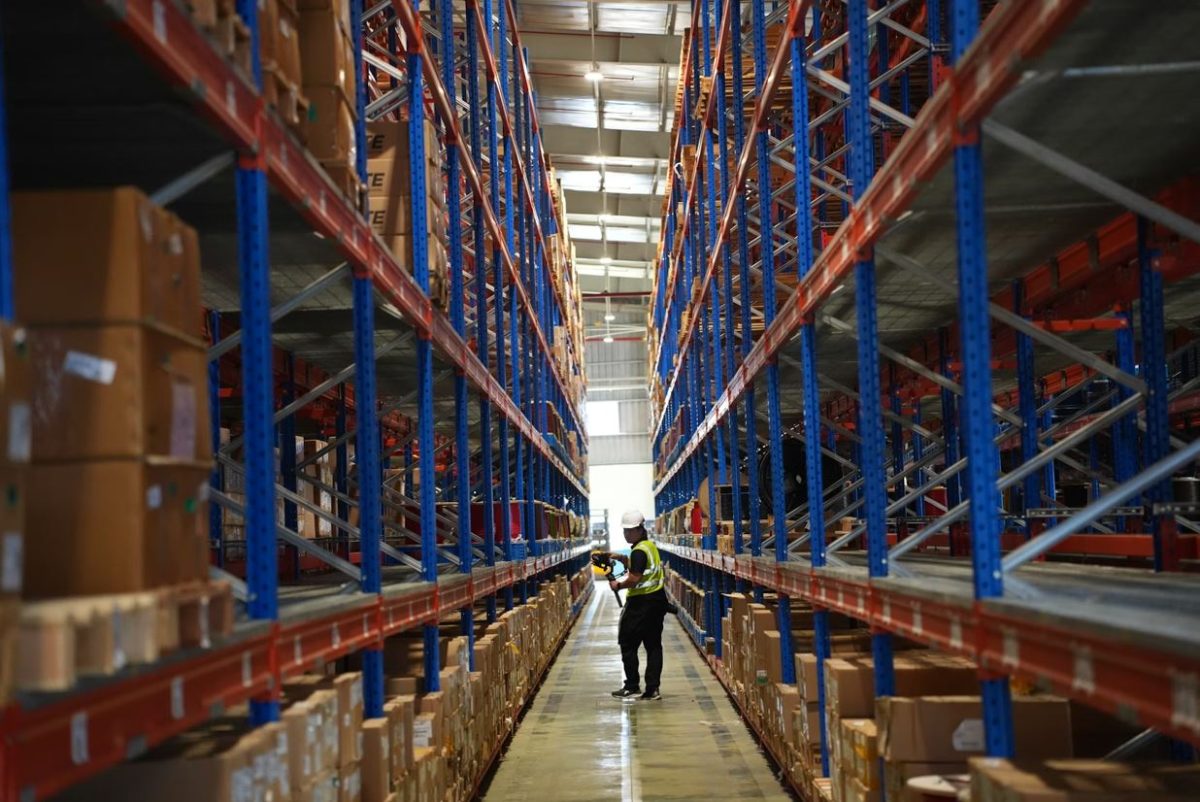
From Incidents to Insights: How AI is Transforming Warehouse Safety in 2026
In 2026, UK warehouse safety is shifting from reactive reporting to Predictive Safety Workflows. By integrating AI with computer vision and wearable sensors, H&S Managers can identify "near-miss" patterns before collisions occur. This data-driven approach reduces RIDDOR-reportable incidents by up to 30%, providing the "Golden Thread" of evidence required for modern HSE duty of care compliance
Scaling Safety: Best Practices for Managing Multi-Site Inspections & Audits
Without a structured system, multi-site safety quickly becomes inconsistent, reactive, and difficult to defend during audits. That’s why organisations with distributed operations are adopting multi-site inspection software to regain control, enforce standards, and maintain compliance from one central platform.
From Incidents to Insights: How Data Analytics Is Transforming Safety Audits in 2025
In 2025, leading organisations are using safety audit data analytics to move beyond reactive reporting turning everyday inspections into early-warning systems that prevent incidents before they happen.
Inspection App Integrations & APIs: Connecting Safety Audits to ERP, CMMS & Business Systems
Safety audits, inspections, maintenance, and reporting all need to work together yet in many organisations, inspection data still sits in silos, disconnected from the systems that drive decisions.
Integrating AI and Robotics in Manufacturing: The Future of Efficient Production
The manufacturing industry is rapidly evolving, with the integration of Artificial Intelligence (AI) and robotics at the forefront of this transformation. As businesses look for ways to improve efficiency, reduce costs, and increase product quality, AI and robotics offer groundbreaking solutions that are revolutionizing the way products are made.
Increased Adoption of Green Logistics: A Sustainable Future for the UK Logistics Industry
The logistics industry in the UK is undergoing a significant transformation, with sustainability becoming a central focus. One of the key trends driving this shift is the increased adoption of green logistics. As environmental concerns continue to grow, logistics companies are increasingly prioritizing eco-friendly solutions to reduce their carbon footprints and meet stricter environmental regulations.
Why the Operations Management role will continue to be in high demand
Operations management in Manufacturing and Warehousing is at the forefront of change, utilising modern technologies as well as disciples to not only address the latest string of operational challenges, but also keep organisations running like a well-oiled machine, all the while maximising both productivity and profitability.