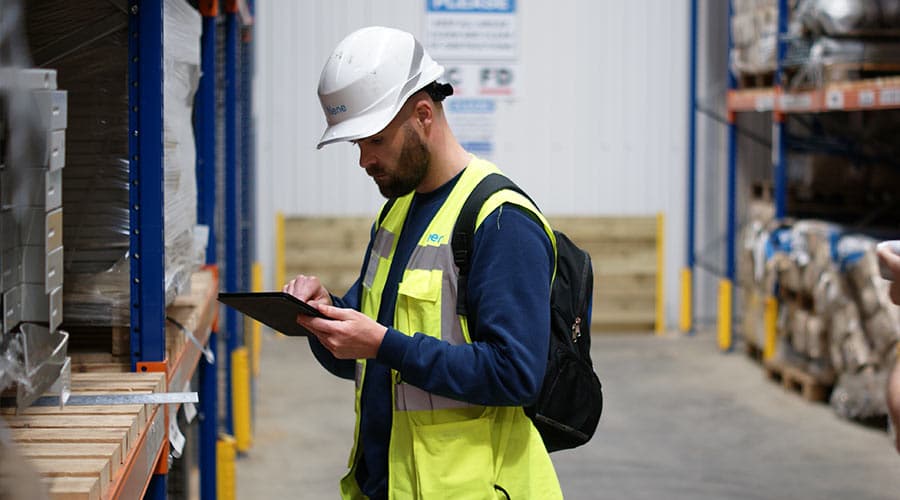
Automation in the Manufacturing sector

Artificial intelligence (AI) and machine learning (ML) were one of the most talked about topics in manufacturing last year. This year, the push for automation in the sector is greater than ever.

Adoption of Automation in Manufacturing.

In a recent report released by The Manufacturers’ Organisation, half of the companies surveyed are upping their investment in automation technologies, especially AI and ML, with almost ¾ of companies now spending more openly on automation across multiple technologies and functions – from product design and development to manufacturing and warehousing operations.

With the above in mind, manufacturers have also cited multiple barriers to automation adoption – namely integration and data challenges, a general lack of technical skills, high costs, and workplace culture causing resistance to adoption. As a result, the UK has been struggling to keep up with its neighbouring competitors.

By turnover, the UK is the 9th largest manufacturing nation in the world, where 2.7 million were employed in 2022. However, as it stands, the UK is finding it increasingly challenging to maintain its position as one of the world’s leading manufacturing hubs. Experts agree that in order to combat some of the issues, such as labour shortages and productivity woes, automation must be embraced on a widespread scale.

The manufacturing industry in the UK has not invested as heavily as other nations have in manufacturing, so this means it has a lot of catching up to do. But there’s good news: automation today has become easier than ever to access. Implementing it is another matter, however.

Manufacturers are under immense pressure to stay competitive.

In response to the wide-scale disruptions seen over the last few years, manufacturers are under growing pressure to remain competitive – forward-thinking ones have already turned to automation technology and software-based platforms to fully digitise their operations.

During times of global economic turmoil, manufacturers in the UK have a golden opportunity to set a benchmark and reimagine the industry. Automation technologies, including additive manufacturing, robotics, artificial intelligence, and machine learning, can all contribute towards increased performance, more sustainable growth, reduced costs, and completely new, more efficient business models.

Some UK companies have, in fact, been at the forefront of this technological shift, wasting little time to embrace digitisation and automation.

Manufacturers need to hustle to adopt the right automation technology.

With seemingly endless possibilities abound, finding the right solution to automation has proven challenging for some manufacturers. For example, manufacturing businesses often lack technical knowhow in finding an automation solution which they can effectively utilise, train their staff on, and implement on a broad scale to cut costs across the board.

At times, they also worry about exposing themselves to suppliers and technical sales specialists who often don’t recommend an ideal solution, all in a bid to close the sale.

Closing thoughts.

With the right automation tools, there’s no limit to how productive and profitable manufacturing businesses can be.

The team behind HS Manager understands this, coming up with a platform which adapts to each manufacturer’s unique way of working. Inspect and report on a variety of warehouse and manufacturing functions, assigning team members their respective tasks, and keeping everything in sync with just a few taps.

For more information https://www.thehsmanager.co.uk/  / https://www.thehsmanager.co.uk/free-trial/ Email: info@thehsmanager.co.uk
call: 03450 17 99 44

Related News

The "Connected Worker": Navigating Safety in Mixed-Fleet Environments

The “Connected Worker”: Navigating Safety in Mixed-Fleet Environments

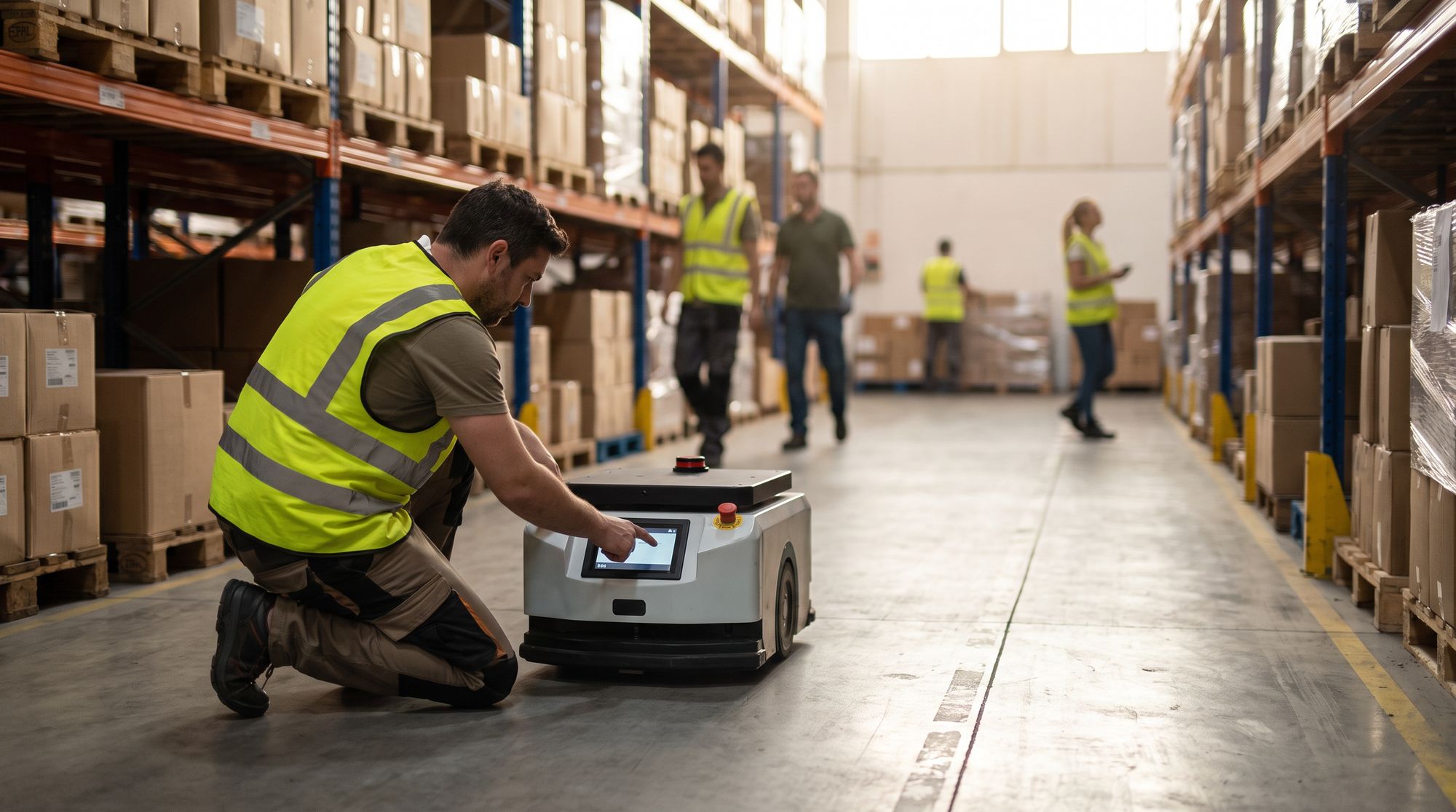
As AMRs (Autonomous Mobile Robots) become standard in UK warehouses, managing Human-Machine Collaboration (HMC) is the new safety frontier. Success requires a "Connected Worker" strategy involving dynamic geofencing and unified traffic dashboards. In 2026, HSE inspectors look for integrated digital systems that protect workers in shared spaces without compromising the efficiency of robotic automation.

Beyond the Physical: Managing Psychosocial Risk in 2026 Manufacturing

Beyond the Physical: Managing Psychosocial Risk in 2026 Manufacturing

Mental health is now a core priority for HSE inspections in the UK manufacturing sector. Under the Management of Health and Safety at Work Regulations 1999, employers must conduct formal Psychosocial Risk Assessments. Moving beyond "open door policies" to documented digital workflows ensures that stress, workload, and burnout are quantified and managed with the same rigour as physical hazards.

From Incidents to Insights: How AI is Transforming Warehouse Safety in 2026

From Incidents to Insights: How AI is Transforming Warehouse Safety in 2026

In 2026, UK warehouse safety is shifting from reactive reporting to Predictive Safety Workflows. By integrating AI with computer vision and wearable sensors, H&S Managers can identify "near-miss" patterns before collisions occur. This data-driven approach reduces RIDDOR-reportable incidents by up to 30%, providing the "Golden Thread" of evidence required for modern HSE duty of care compliance

health and safety inspection app

The Future of Logistics and Warehousing: Efficiency and Innovation

The logistics and warehousing sector have seen significant transformation in recent years, driven by technological advancements and evolving consumer expectations. As e-commerce continues to surge, businesses are under increasing pressure to optimize supply chains, reduce lead times, and provide seamless delivery experiences. This has led to a rapid shift in how warehouses and logistics networks operate.

The logistics and warehousing sector have seen significant transformation in recent years, driven by technological advancements and evolving consumer expectations.

Integrating AI and Robotics in Manufacturing: The Future of Efficient Production

The manufacturing industry is rapidly evolving, with the integration of Artificial Intelligence (AI) and robotics at the forefront of this transformation. As businesses look for ways to improve efficiency, reduce costs, and increase product quality, AI and robotics offer groundbreaking solutions that are revolutionizing the way products are made.

health and safety inspection app

Increased Adoption of Green Logistics: A Sustainable Future for the UK Logistics Industry

The logistics industry in the UK is undergoing a significant transformation, with sustainability becoming a central focus. One of the key trends driving this shift is the increased adoption of green logistics. As environmental concerns continue to grow, logistics companies are increasingly prioritizing eco-friendly solutions to reduce their carbon footprints and meet stricter environmental regulations.

health and safety inspection app

Why the Operations Management role will continue to be in high demand

Operations management in Manufacturing and Warehousing is at the forefront of change, utilising modern technologies as well as disciples to not only address the latest string of operational challenges, but also keep organisations running like a well-oiled machine, all the while maximising both productivity and profitability.

Top

Simply fill in the form to get started.

We will email you the links to download the app from the Google, Windows, or App stores