



Integrating AI and Robotics in Manufacturing: The Future of Efficient Production
The manufacturing industry is rapidly evolving, with the integration of Artificial Intelligence (AI) and robotics at the forefront of this transformation. As businesses look for ways to improve efficiency, reduce costs, and increase product quality, AI and robotics offer groundbreaking solutions that are revolutionizing the way products are made.
AI-powered systems in manufacturing help optimize production processes by analysing vast amounts of data and providing insights into areas like predictive maintenance, supply chain management, and quality control. For example, AI can predict when a machine is likely to fail, enabling companies to perform maintenance before costly breakdowns occur. This proactive approach minimizes downtime, which directly improves overall efficiency.
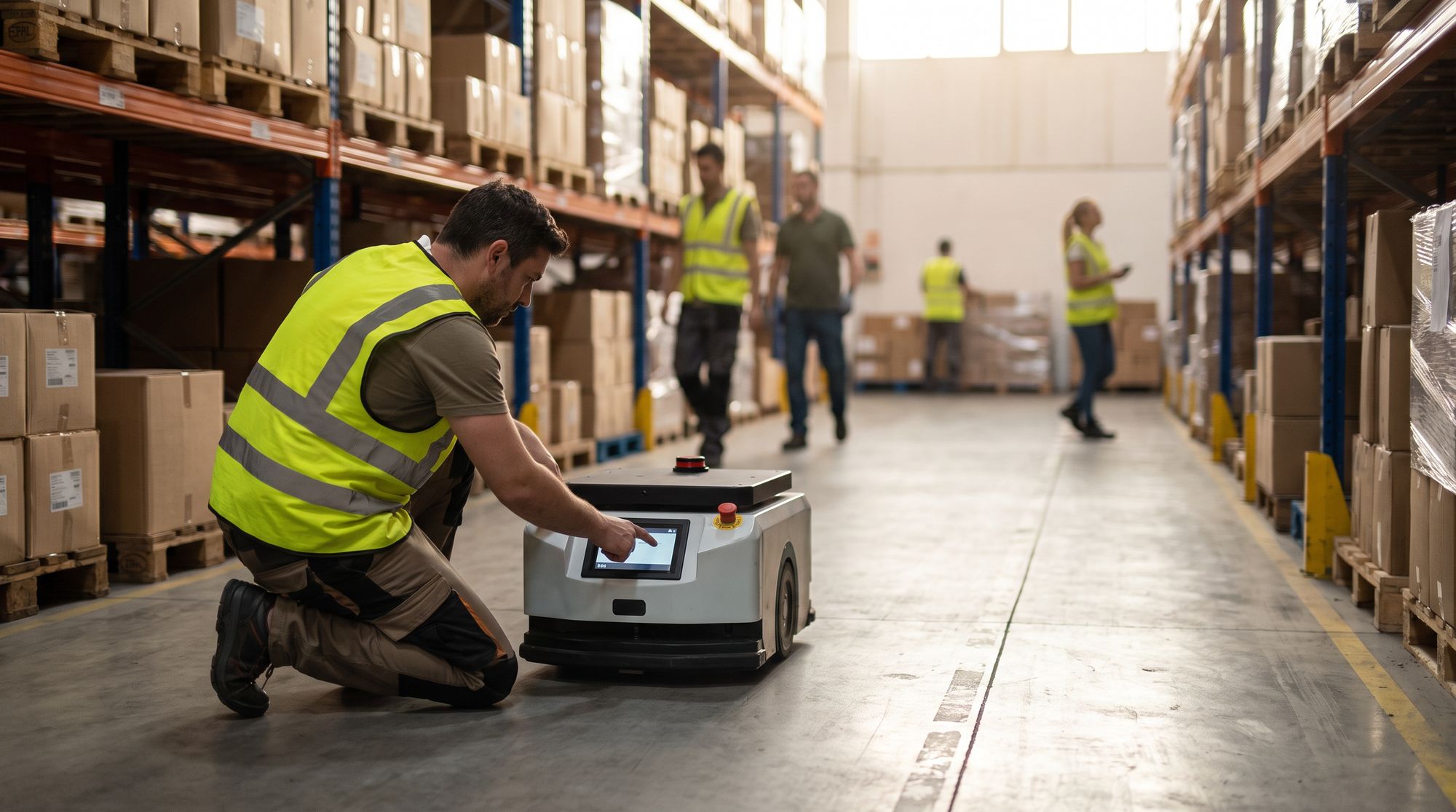
Robots, on the other hand, are transforming the manufacturing floor by taking over repetitive, high-precision tasks. These robots work tirelessly, 24/7, reducing human error and increasing production speed. Whether it’s assembling intricate components, welding, or packaging, robots are performing tasks that once required significant human labour, freeing up workers to focus on more complex, strategic functions. Additionally, collaborative robots, or co-bots, work alongside humans, enhancing safety and productivity by supporting workers in real-time.
The synergy between AI and robotics is creating highly adaptive, flexible production lines capable of adjusting to changing demands with minimal human intervention. This adaptability is particularly important in industries where customization and quick turnaround times are essential.
Incorporating AI and robotics also has environmental benefits. Automation leads to greater energy efficiency and reduced waste, as AI systems can optimize resource usage throughout the production process.
As the manufacturing industry continues to embrace these technologies, the integration of AI and robotics will drive significant advancements in productivity, safety, and sustainability. With these innovations, manufacturers are positioning themselves for long-term success in an increasingly competitive global market.
HS Manager is a revolutionary checklist-based inspection app which can help operations managers to identify risks early on in the manufacturing process and take corrective actions well before the damage can potentially affect operations. Try it now for FREE for 30 days.
Related News
Beyond the Physical: Managing Psychosocial Risk in 2026 Manufacturing
Mental health is now a core priority for HSE inspections in the UK manufacturing sector. Under the Management of Health and Safety at Work Regulations 1999, employers must conduct formal Psychosocial Risk Assessments. Moving beyond "open door policies" to documented digital workflows ensures that stress, workload, and burnout are quantified and managed with the same rigour as physical hazards.
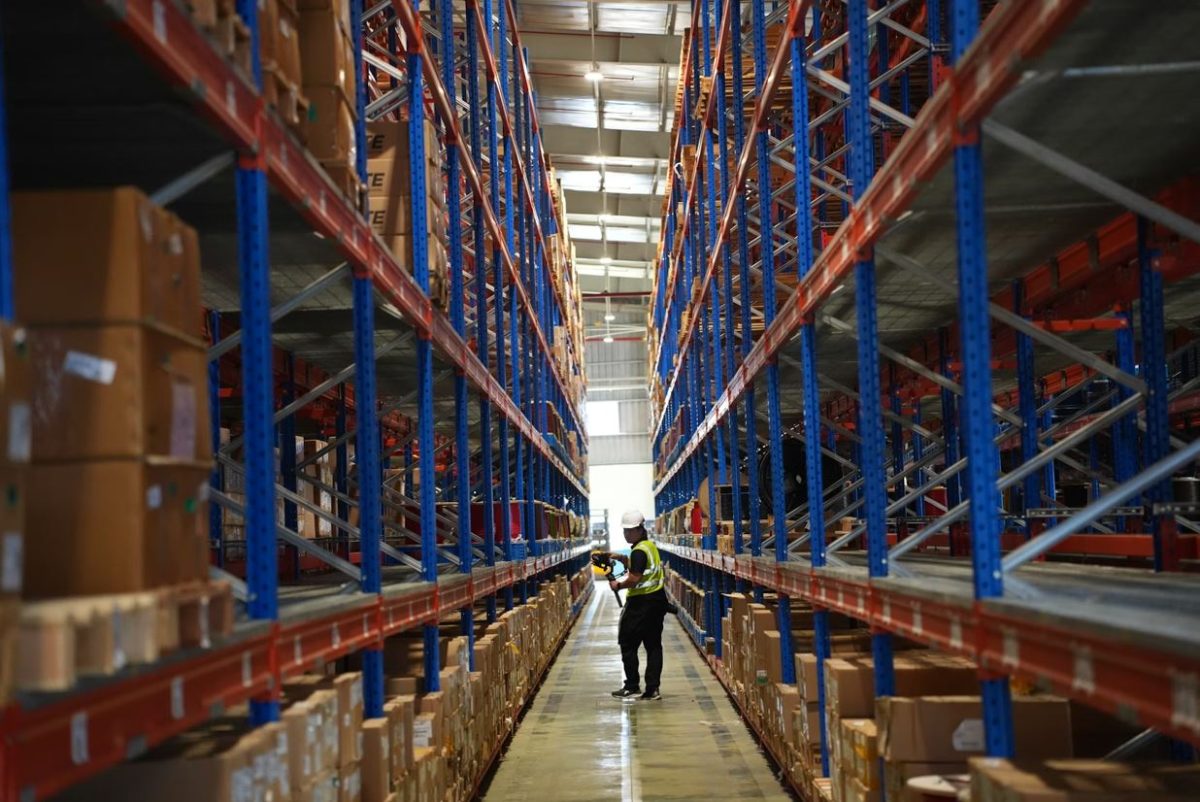
From Incidents to Insights: How AI is Transforming Warehouse Safety in 2026
In 2026, UK warehouse safety is shifting from reactive reporting to Predictive Safety Workflows. By integrating AI with computer vision and wearable sensors, H&S Managers can identify "near-miss" patterns before collisions occur. This data-driven approach reduces RIDDOR-reportable incidents by up to 30%, providing the "Golden Thread" of evidence required for modern HSE duty of care compliance
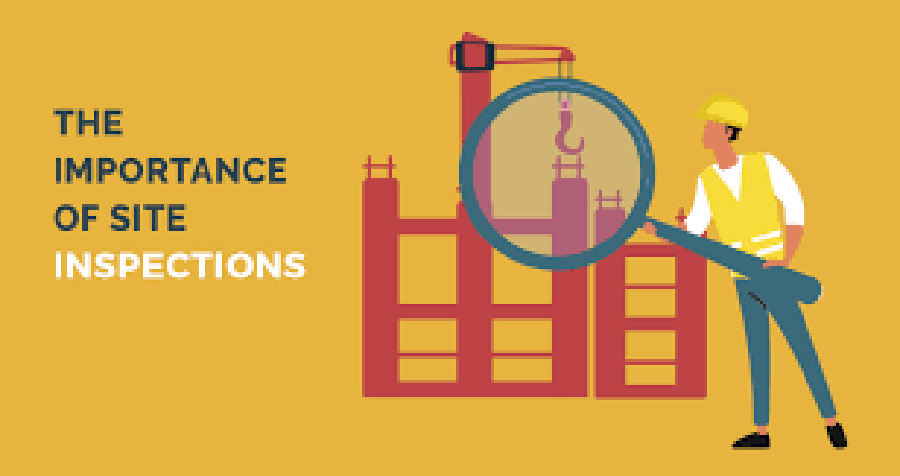
Scaling Safety: Best Practices for Managing Multi-Site Inspections & Audits
Without a structured system, multi-site safety quickly becomes inconsistent, reactive, and difficult to defend during audits. That’s why organisations with distributed operations are adopting multi-site inspection software to regain control, enforce standards, and maintain compliance from one central platform.
From Incidents to Insights: How Data Analytics Is Transforming Safety Audits in 2025
In 2025, leading organisations are using safety audit data analytics to move beyond reactive reporting turning everyday inspections into early-warning systems that prevent incidents before they happen.