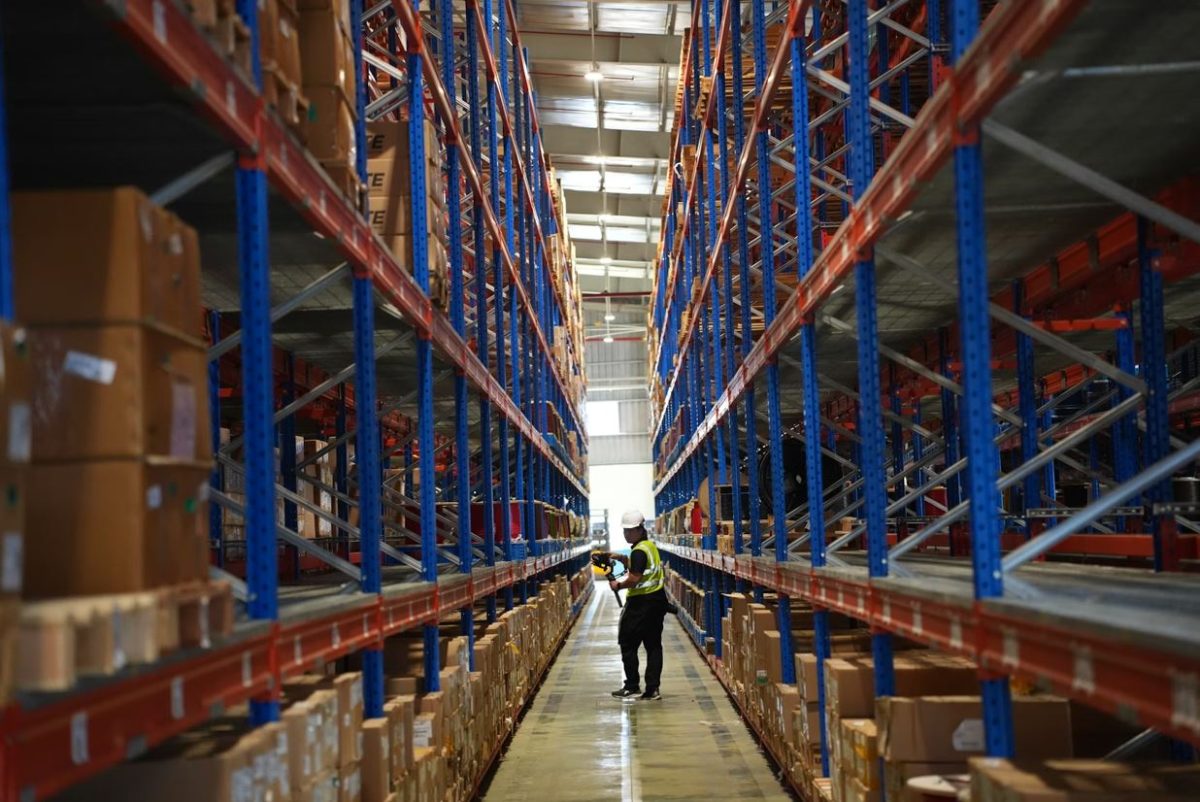
A technology trend of a disruptive nature in warehousing & logistics

The main goal of any businesses engaged in manufacturing, warehousing, and logistics is to improve the accuracy of order fulfilment, minimise operational costs, and optimise resource allocation.

The advent of digitalisation and other disruptive technologies in warehouse management and logistics, which we’ll be discussing shortly, have paved the way for businesses in the sector to increase revenues and improve operational efficiencies across the board – among other things.

Here’s a look at some of the disruptive technological trends that are impacting warehousing, manufacturing, and logistics:

Blockchain technology

Blockchain technology has the potential to significantly improve transparency, security, and efficiency in end-to-end warehouse operations. It can enable secure, tamper-proof recording and sharing of both data as well as transactions, leading to far better trust and collaboration among the various supply chain partners.

Blockchain technology is already being used by warehouse and logistics managers to optimise inventory management, improve regulatory compliance, and reduce fraud.

Digital inspections

The latest technological trends in warehousing have also impacted the way inventories are managed. By having access to real-time stock information and big data analysis, for instance, warehousing managers can improve the way they order, hold, and handle stock.

Technology has, in fact, made it easier to break down products into their unique SKUs, or to address variations in supply and demand concerns, for example, keeping end users happy. It also affords manufacturing, warehousing, and logistics businesses a unique opportunity to identify or extract specific trends and patterns from historical customer buyer history, in order to estimate and/or predict future trends based on such buying behaviours.

Remote collaboration

Tasks once confined to the aisles are now delegated among different team members working remotely from different locations.

Disruptive technological trends in warehousing have opened the doors to much greater collaboration between multiple supply chain points, where input is gathered from various locations within the geographical confines of the operation, irrespective of anyone’s physical location.

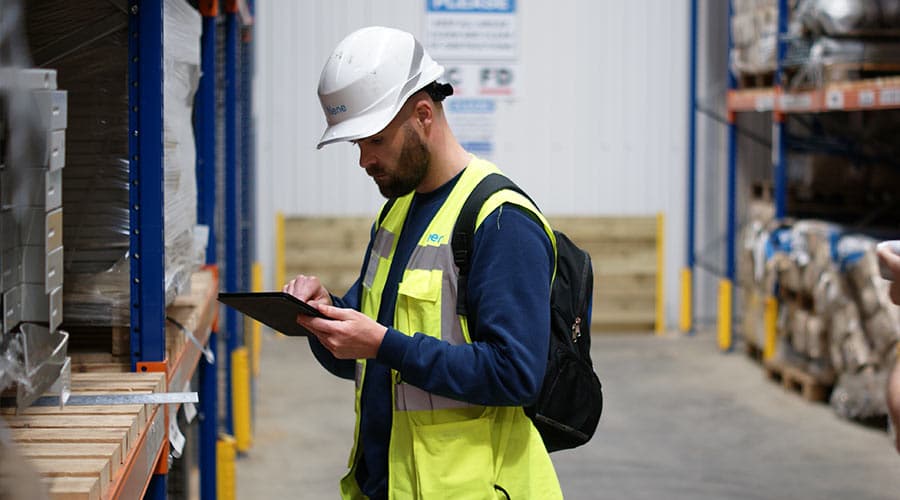
Through handheld mobile devices and innovative cloud computing solutions, remote working is becoming an accepted way of working, particularly for the sake of collaboration between everyone from logistics teams and warehouse workers to sales reps and warehouse managers – ultimately, leading to better communications and real-time data updates where everybody is on the same page.

Interestingly though unsurprisingly, this has also led to a significant reduction in order errors or stock issues, for example, while resulting in a major customer satisfaction boost as well.

Augmented reality (AR)

The potential for AR to improve warehouse operations is currently being looked into, with use cases not just involving augmented reality headsets, for instance, but also those where interactive screens and digital information via a platform is provided to warehouse workers – allowing them to tap into the order system directly, thus, creating records and streamlining or scheduling cargo movements on the go.

Such hands-free solutions may also enable pickers to make faster decisions around which boxes need to be moved. Similar technologies are already being used, such as barcode scanners, although software-powered AR may take this to a new level entirely.

HS Manager is the ultimate Health & Safety inspection app that every warehouse manager must use. Try it now for FREE for up to 30 days with zero obligation or credit card requirement.

https://www.thehsmanager.co.uk/free-trial/

Related News

The "Connected Worker": Navigating Safety in Mixed-Fleet Environments

The “Connected Worker”: Navigating Safety in Mixed-Fleet Environments

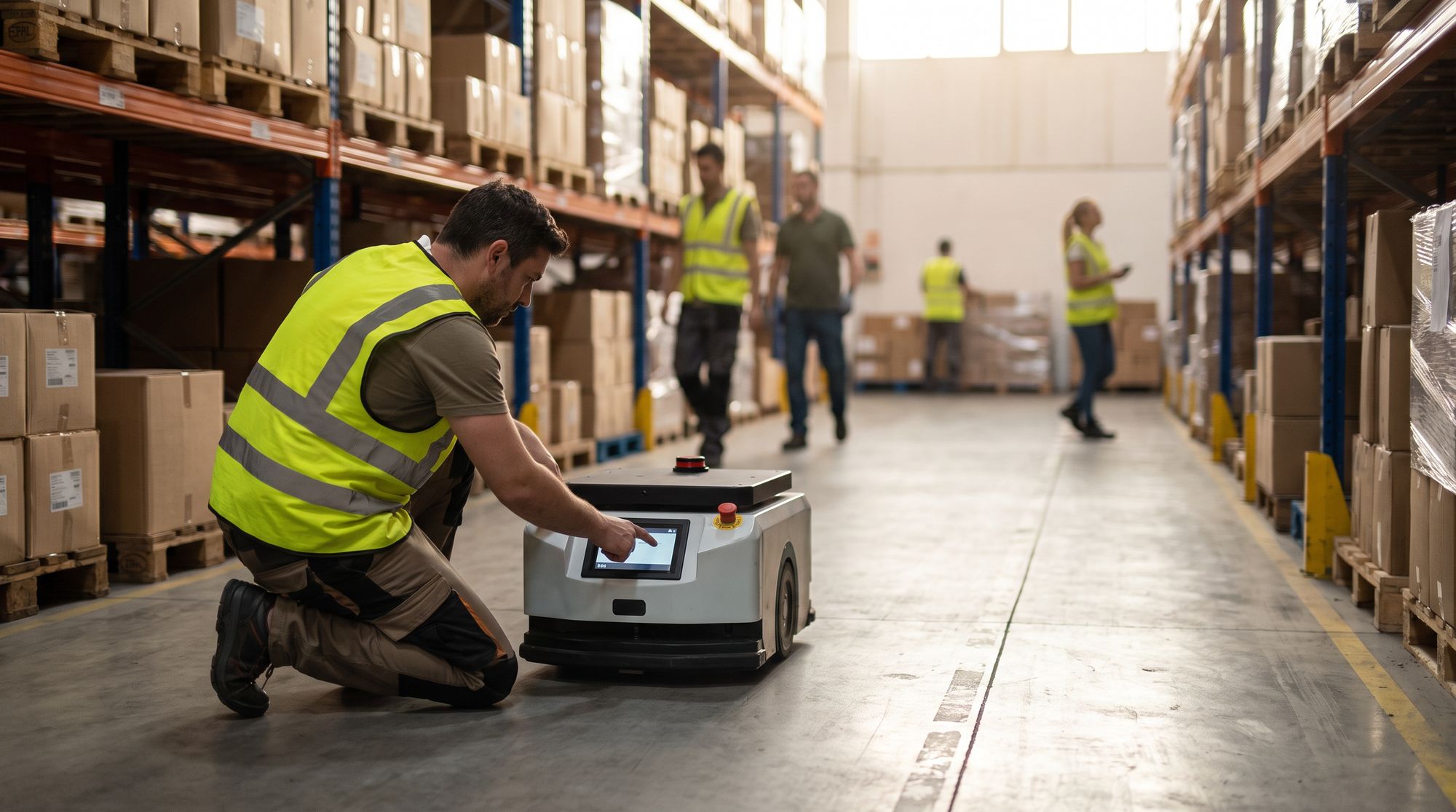
As AMRs (Autonomous Mobile Robots) become standard in UK warehouses, managing Human-Machine Collaboration (HMC) is the new safety frontier. Success requires a "Connected Worker" strategy involving dynamic geofencing and unified traffic dashboards. In 2026, HSE inspectors look for integrated digital systems that protect workers in shared spaces without compromising the efficiency of robotic automation.

Beyond the Physical: Managing Psychosocial Risk in 2026 Manufacturing

Beyond the Physical: Managing Psychosocial Risk in 2026 Manufacturing

Mental health is now a core priority for HSE inspections in the UK manufacturing sector. Under the Management of Health and Safety at Work Regulations 1999, employers must conduct formal Psychosocial Risk Assessments. Moving beyond "open door policies" to documented digital workflows ensures that stress, workload, and burnout are quantified and managed with the same rigour as physical hazards.

From Incidents to Insights: How AI is Transforming Warehouse Safety in 2026

From Incidents to Insights: How AI is Transforming Warehouse Safety in 2026

In 2026, UK warehouse safety is shifting from reactive reporting to Predictive Safety Workflows. By integrating AI with computer vision and wearable sensors, H&S Managers can identify "near-miss" patterns before collisions occur. This data-driven approach reduces RIDDOR-reportable incidents by up to 30%, providing the "Golden Thread" of evidence required for modern HSE duty of care compliance

health and safety inspection app

The Future of Logistics and Warehousing: Efficiency and Innovation

The logistics and warehousing sector have seen significant transformation in recent years, driven by technological advancements and evolving consumer expectations. As e-commerce continues to surge, businesses are under increasing pressure to optimize supply chains, reduce lead times, and provide seamless delivery experiences. This has led to a rapid shift in how warehouses and logistics networks operate.

The logistics and warehousing sector have seen significant transformation in recent years, driven by technological advancements and evolving consumer expectations.

Integrating AI and Robotics in Manufacturing: The Future of Efficient Production

The manufacturing industry is rapidly evolving, with the integration of Artificial Intelligence (AI) and robotics at the forefront of this transformation. As businesses look for ways to improve efficiency, reduce costs, and increase product quality, AI and robotics offer groundbreaking solutions that are revolutionizing the way products are made.

health and safety inspection app

Increased Adoption of Green Logistics: A Sustainable Future for the UK Logistics Industry

The logistics industry in the UK is undergoing a significant transformation, with sustainability becoming a central focus. One of the key trends driving this shift is the increased adoption of green logistics. As environmental concerns continue to grow, logistics companies are increasingly prioritizing eco-friendly solutions to reduce their carbon footprints and meet stricter environmental regulations.

health and safety inspection app

Why the Operations Management role will continue to be in high demand

Operations management in Manufacturing and Warehousing is at the forefront of change, utilising modern technologies as well as disciples to not only address the latest string of operational challenges, but also keep organisations running like a well-oiled machine, all the while maximising both productivity and profitability.

Top

Simply fill in the form to get started.

We will email you the links to download the app from the Google, Windows, or App stores